Learning by Exchange – Value That Money Can’t Buy
By Alessio Antoniolli
When a residency program announces an open call for international artists, the response is often remarkable — sometimes hundreds apply. This enthusiasm reflects a growing interest among artists, curators, and cultural practitioners in residencies rooted in research, experimentation, and process-led art making.
This enthusiasm implies that the growth of the art market does not replace process and learning. Instead, it highlights the “ecological chain” where research, conception, experimentation, development, dissemination, and acquisition are finally acknowledged as intrinsically linked. The need to emphasize such close relationships is important because, traditionally, exhibition visitor figures, critical reviews, and market values have been seen as the main indicators of quality and success, whereas the value of dialogue, the exchange of ideas, and experimentation has always been more difficult to qualify and quantify. It is therefore reassuring to see that more discursive projects are gaining the recognition they deserve for their role in the development of talent and quality art.
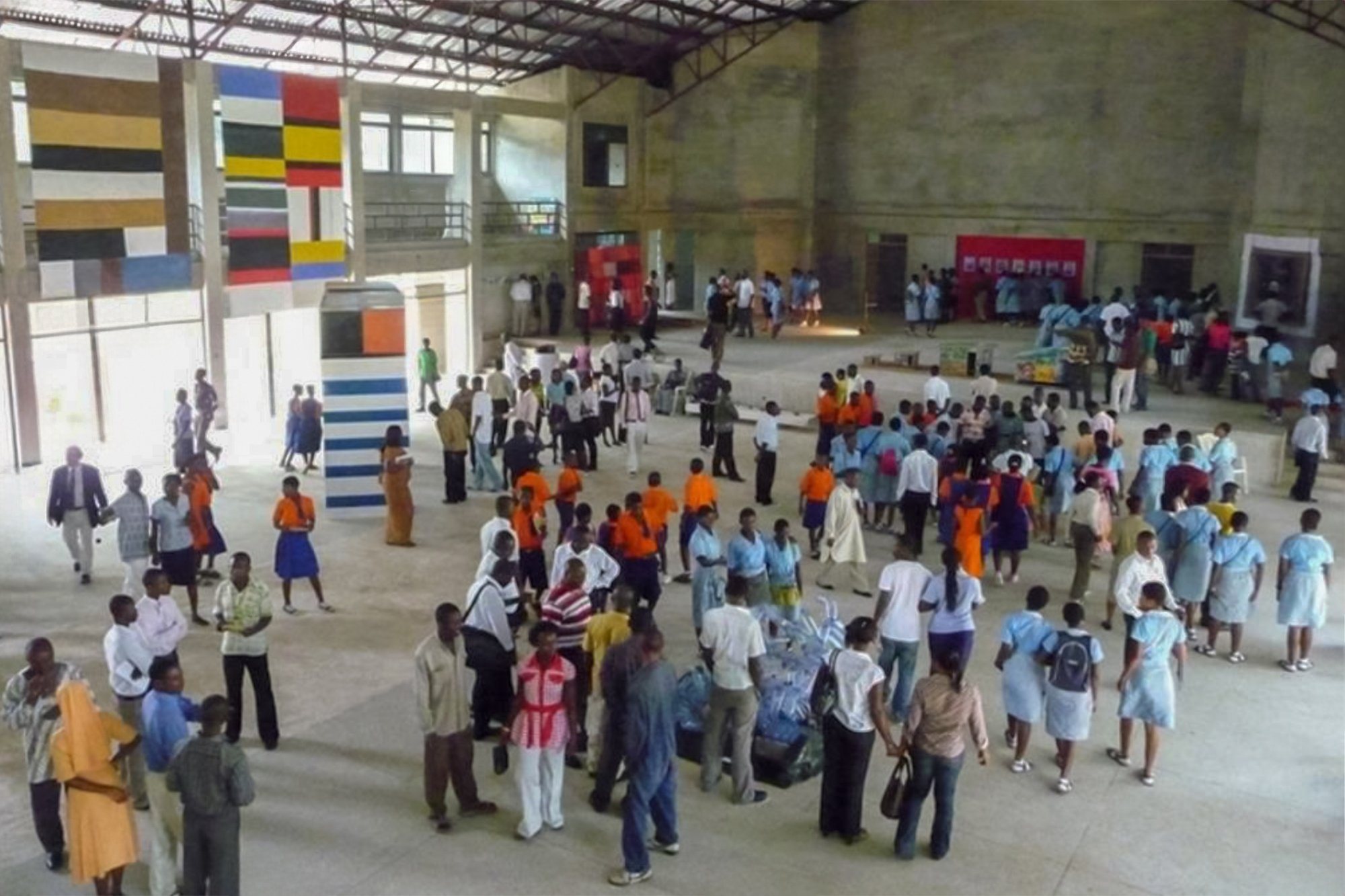
SaNsA International Artists’ Workshop, Open Day, Kumasi, Ghana, 2009
Photo by Alessio Antoniolli
Having spent nearly two decades working for Triangle Network, a worldwide association of grass-roots art organisations that support mobility and encourage dialogue amongst emerging artists, I have had the huge privilege of seeing the impact that the Network’s activities have had on artists as well as other arts professionals and communities. For Triangle, the motivating factor for developing workshops, residencies, and similar open-ended projects is the belief that artists learn from each other and need spaces to test ideas and discuss their practice. Often described as learning by exchange, this method continues to be the basis of Triangle Network’s activities.
During workshops and residencies, artists create new work on the spot and outside the comfort of their homes, studios, or other familiar settings. This situation presents challenges and opportunities that push artists to try something different, spurred by the new context and the influence of peers. It is often the case that these situations encourage artists to experiment with new ideas or media, reassured that at the end of their experience they don’t have to show a finished work in a formal exhibition, but can introduce work-in-progress to the public at open studios or open days where tours, informal discussions, and talks lead the public through the creative ‘journey’ that the artists have undertaken during their time in residence or at the workshops.
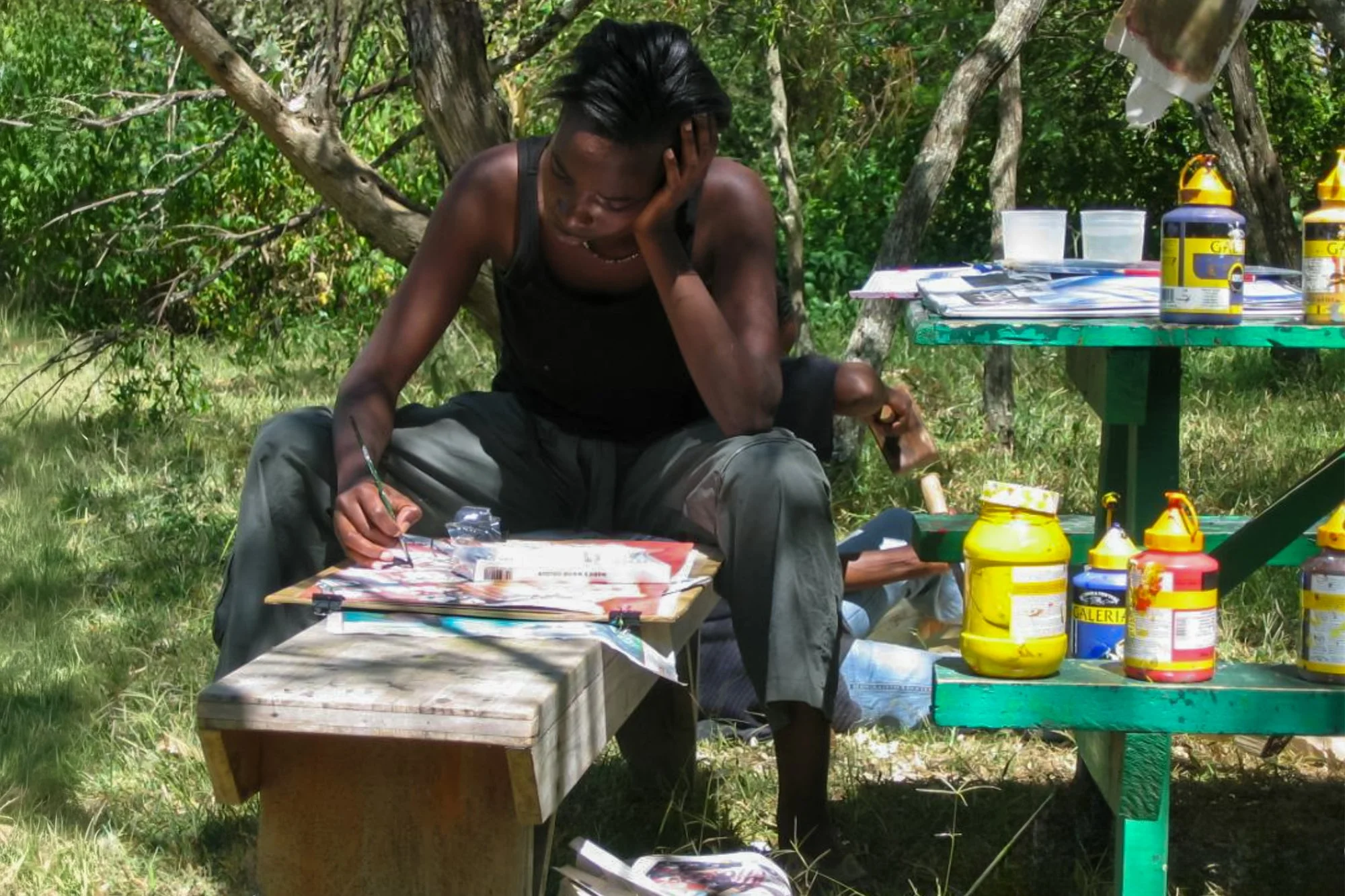
Wasanii International Artists’ Workshop, artists working in a shared space, Nairobi, Kenya, 2007
Photo by Alessio Antoniolli
On many occasions, the process of discovery whereby artists can make, unmake, and remake work in a couple of weeks or a few months — without needing to finish it — has made a lasting impact on their career. For many practitioners, this is enhanced by direct contact with international peers and a new public for their ideas and work. Working alongside peers from different backgrounds and cultures, with different reference points and approaches to art-making, can be perceived as a barrier at first, but it soon becomes an opportunity to rethink how one articulates one’s ideas and artistic decisions by getting feedback on how views or artworks are read once they are taken out of familiar contexts.
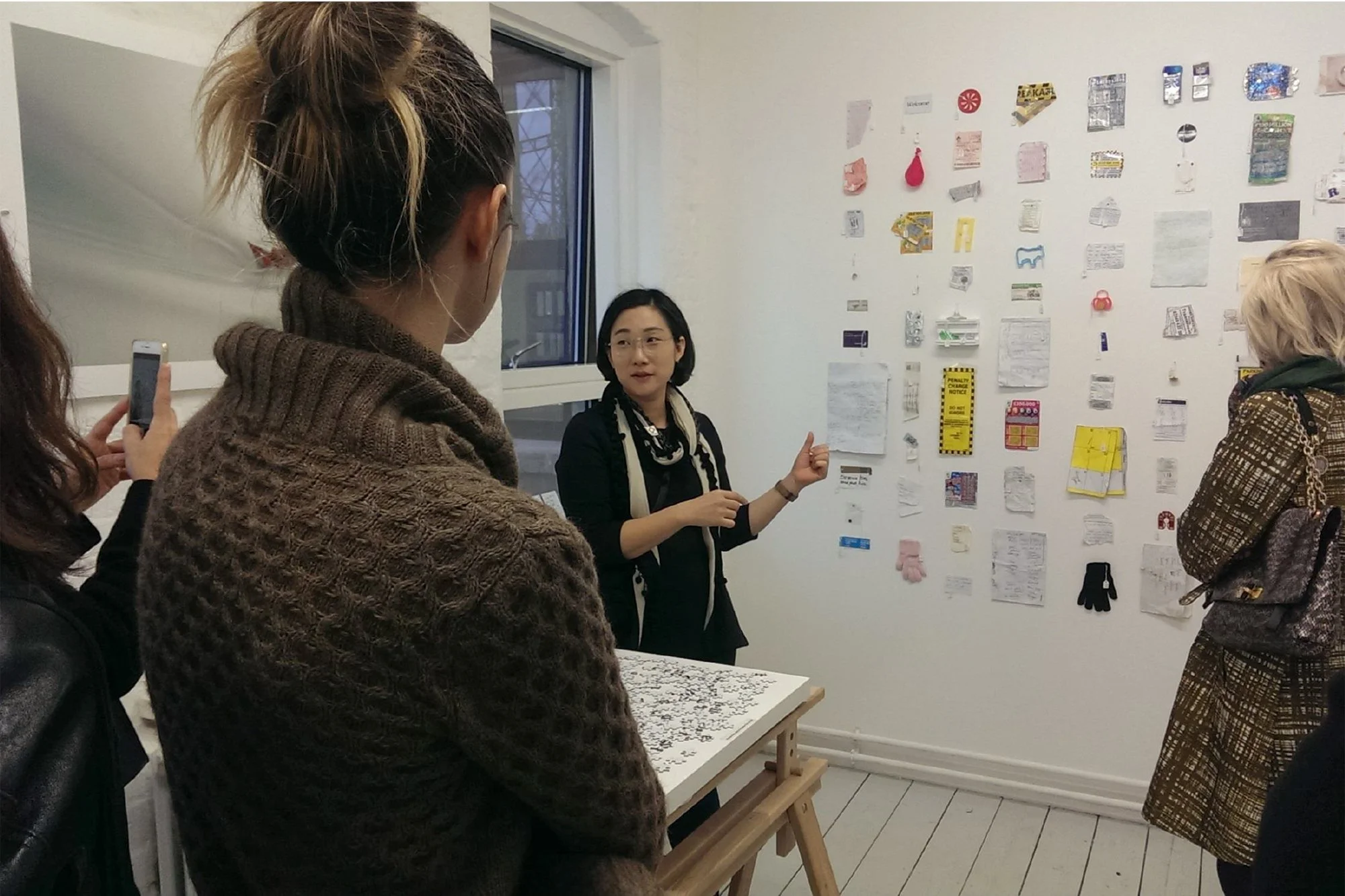
Gasworks Artist Residency (artist: Hyesoo Park) Open Studio, London, UK, 2015
Photo by Alessio Antoniolli
In an ever-expanding global art scene, this experience is invaluable. It helps artists to widen their horizons and learn how to better place their practice in an international context. At the same time, their ideas and work have the power to show new perspectives to local peers and the public, creating new debates that can challenge insularity, opening up new possibilities for richer and more multifaceted conversations.
I trust that the demand and success of process-led activities will continue to be a creative source of inspiration for artists and other art professionals, as well as a concern for new ideas and perspectives that celebrate diversity amongst communities around the world.
Badiyeh Editor’s Note
This essay was originally written for the Kooshk Artist Residency Annual Catalogue (2014–2015) and has been lightly revised by the author for republication by Badiyeh Arts, as part of our ongoing effort to preserve and share critical reflections on artist residencies and cultural exchange.