
Cultivating relationships across art ecosystems.
Participants
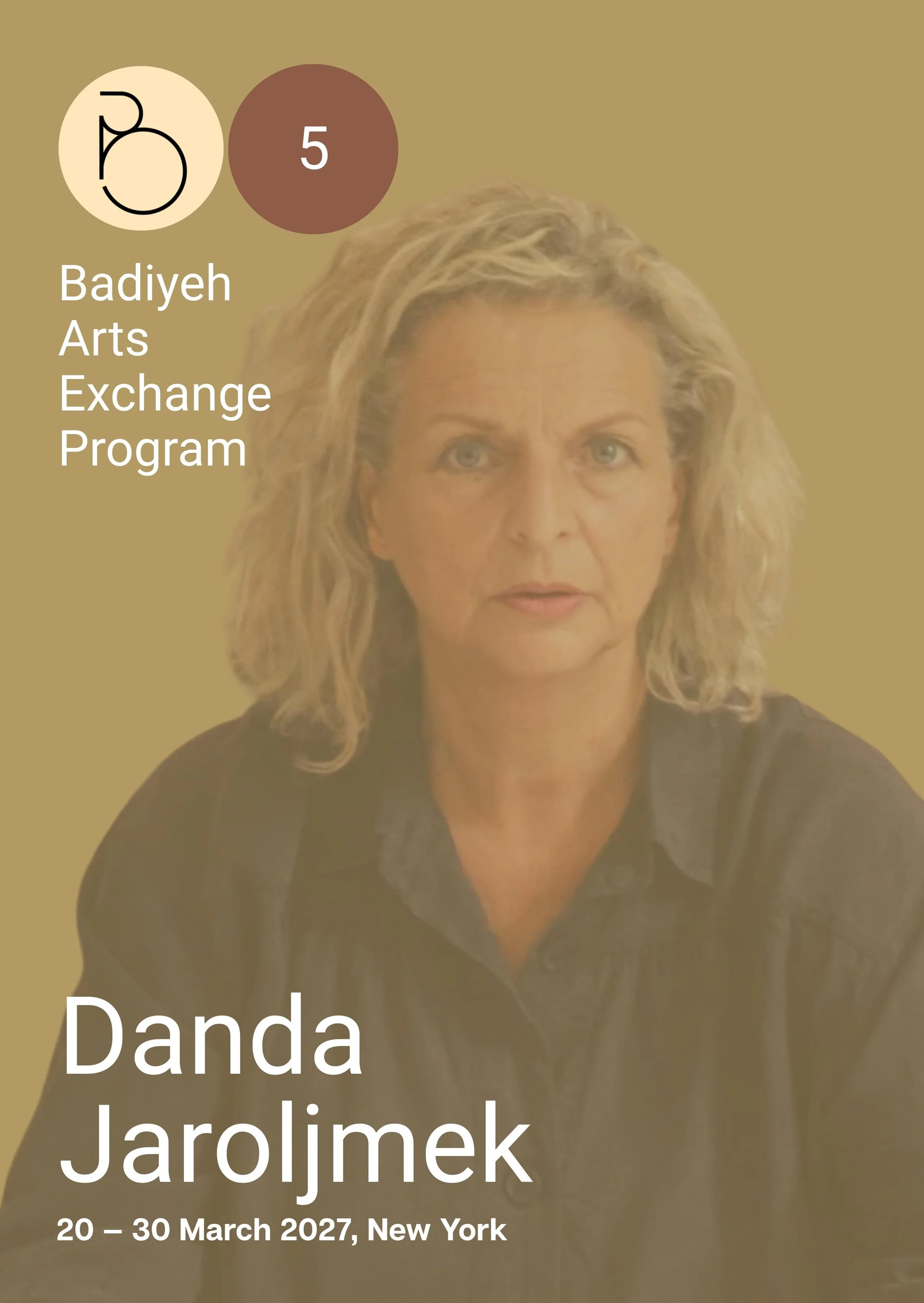
Danda Jaroljmek is the Director of Circle Art Gallery in Nairobi and one of the leading figures in the development of East Africa's contemporary art ecosystem. Through Circle Art Gallery and Art Auction East Africa, she has played a significant role in supporting artists, building markets, and expanding the visibility of contemporary art from the region.
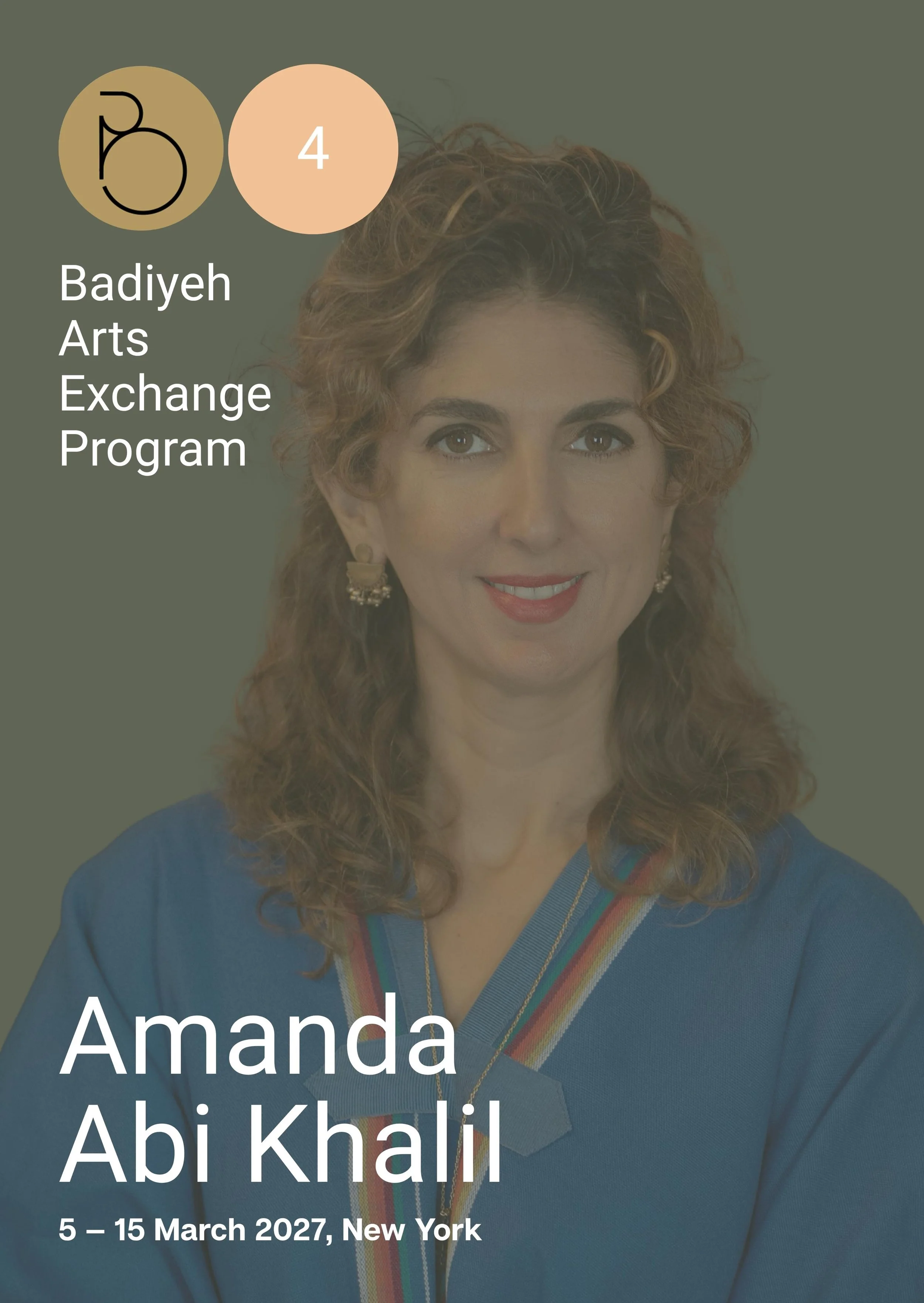
Amanda Abi Khalil is a curator and researcher whose practice focuses on socially engaged art, cultural policy, and the role of art within processes of social and political transformation. As the founder and director of Temporary Art Platform (TAP) in Beirut, she has developed residencies, research initiatives, commissions, and collaborative projects that foster context-responsive and research-based approaches to contemporary art.
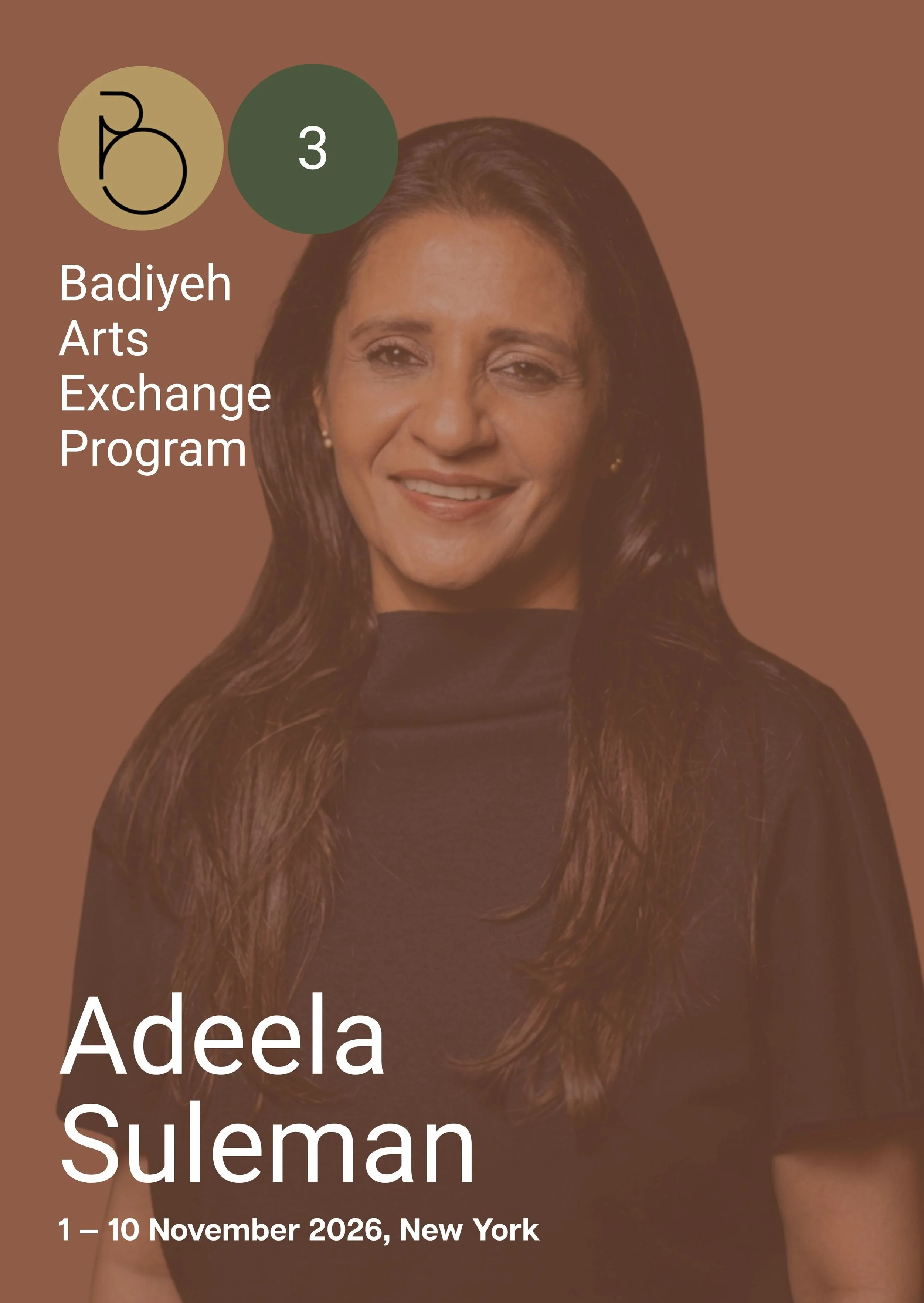
Adeela Suleman is a Karachi-based artist, educator, and cultural leader whose multidisciplinary practice examines histories of violence, memory, and resistance. As a founding member and director of Vasl Artists' Association, she has played a significant role in shaping Pakistan's contemporary art ecosystem by fostering artistic exchange, supporting new generations of practitioners, and strengthening connections between local and international art communities.
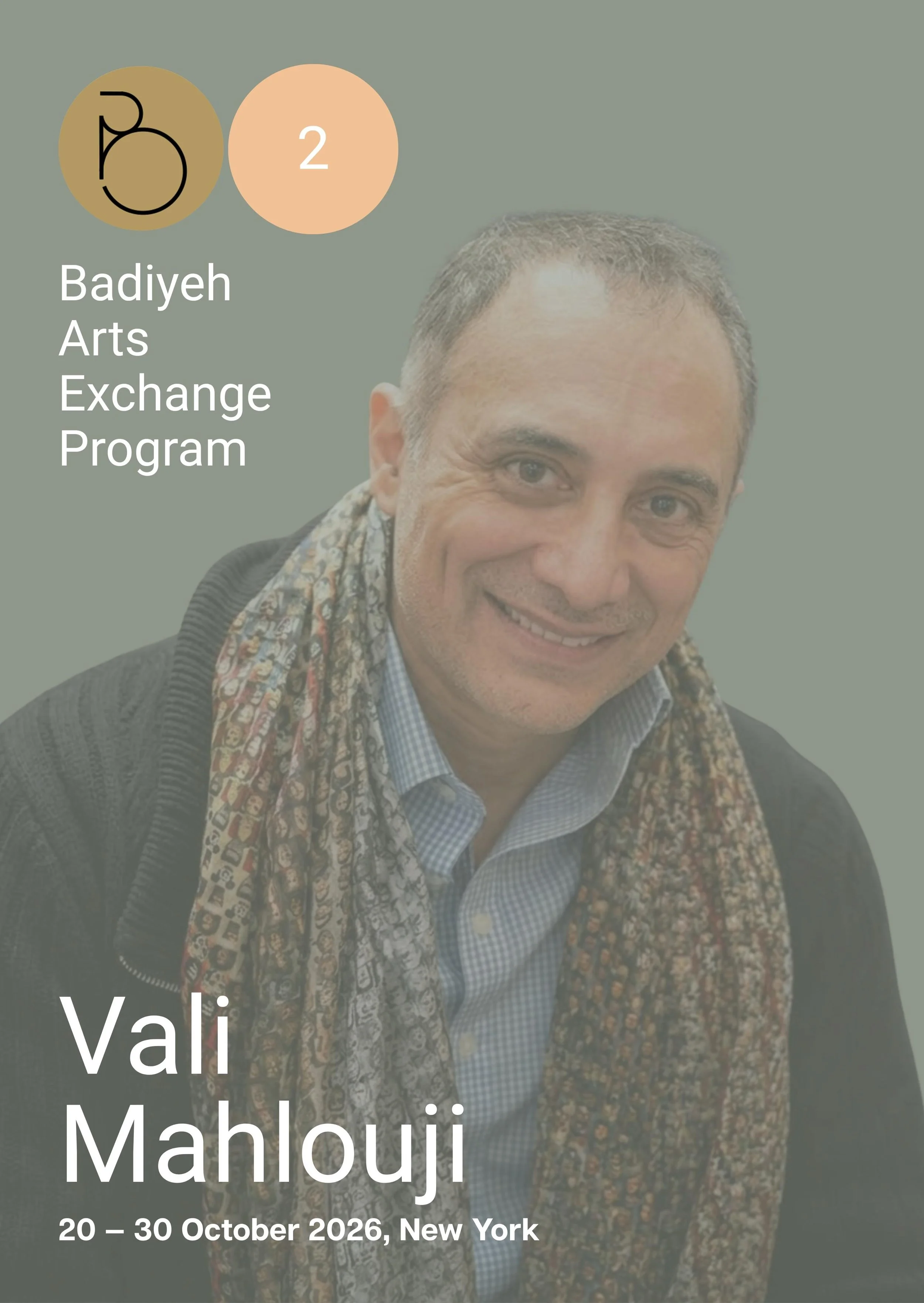
Dr. Vali Mahlouji is a cultural historian, curator, writer, and founding director of Archaeology of the Final Decade (AOTFD), a research initiative dedicated to recovering and recontextualizing erased cultural histories. Through his curatorial and archival work, he has become a leading voice in the preservation of marginalized narratives and in fostering critical dialogue around cultural memory, historical research, and international collaboration.
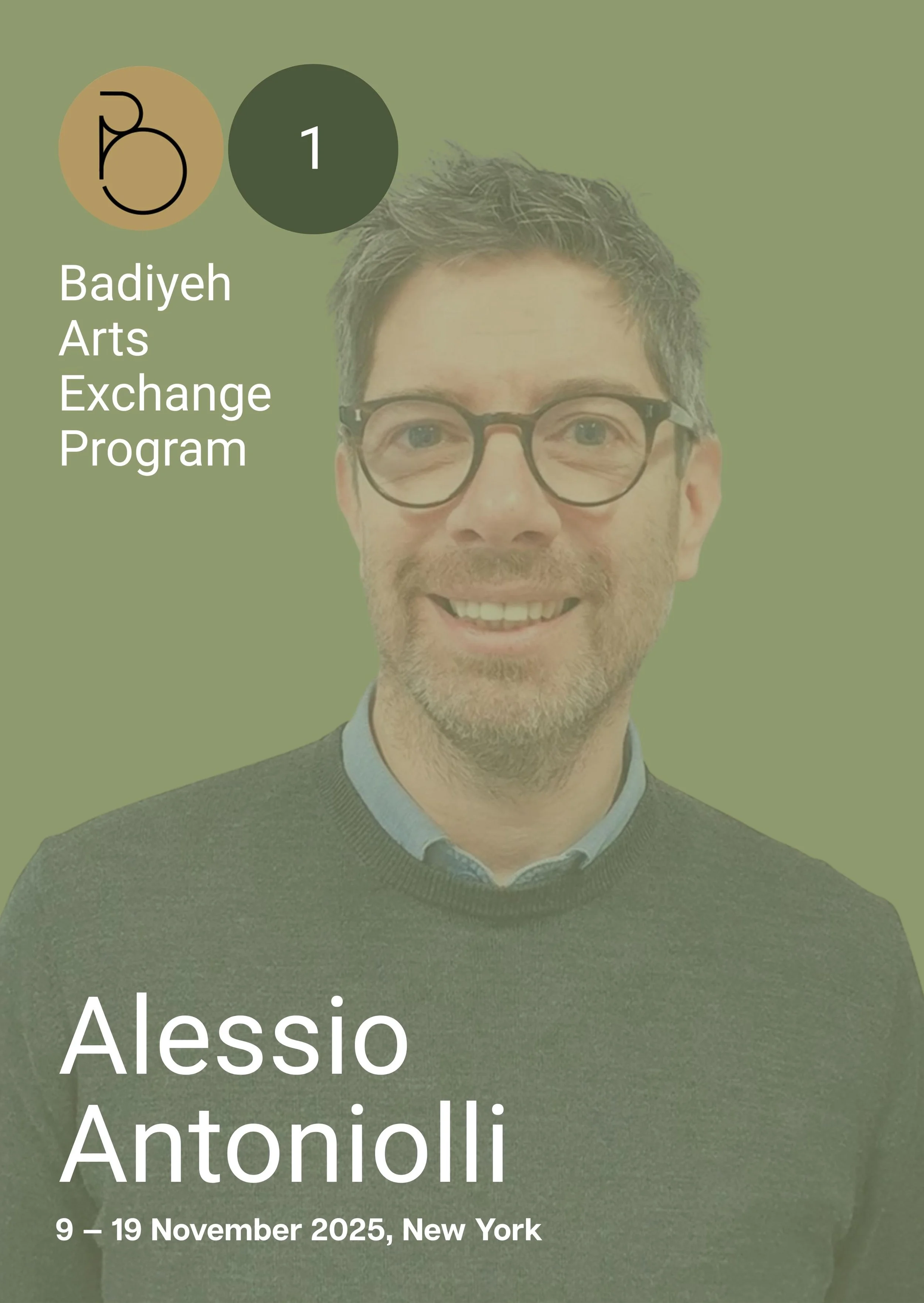
We are honored to welcome Alessio Antoniolli as the first guest of our Exchange Program at Badiyeh Arts, in partnership with Triangle Network—marking the beginning of a series of encounters rooted in curiosity, care, and cross-cultural connection.
Publications
By Pouria Jahanshad
Reflecting on the politics of cultural exchange, this essay explores how contemporary art institutions shape representations of non-Western artists and cultures. Through a critical examination of agency, identity, and power, Pouria Jahanshad considers the possibilities and limitations of cross-cultural dialogue within global art networks.
By Mario A. Caro
Positioning art residencies as spaces of cultural diplomacy, this essay explores how mobility and exchange foster intercultural understanding beyond traditional institutional frameworks. Drawing on the evolution of international residency networks, Mario A. Caro reflects on the role of artists, organizers, and communities in shaping meaningful cultural relationships across borders.
By Alessio Antoniolli
Learning by exchange positions artist residencies as spaces where process, dialogue, and experimentation generate value beyond market metrics. Drawing on long-term experience with the Triangle Network, this essay examines how collective learning and cross-cultural exchange support artistic development within an international context.
By Tooraj Khamenehzadeh
Artist mobility in the Middle East is rarely about free movement — it is shaped by borders, sanctions, and political suspicion. Yet within these constraints lie new possibilities: South–South exchanges that build solidarity, reclaim dialogue, and reimagine cultural collaboration across the MENASA region.