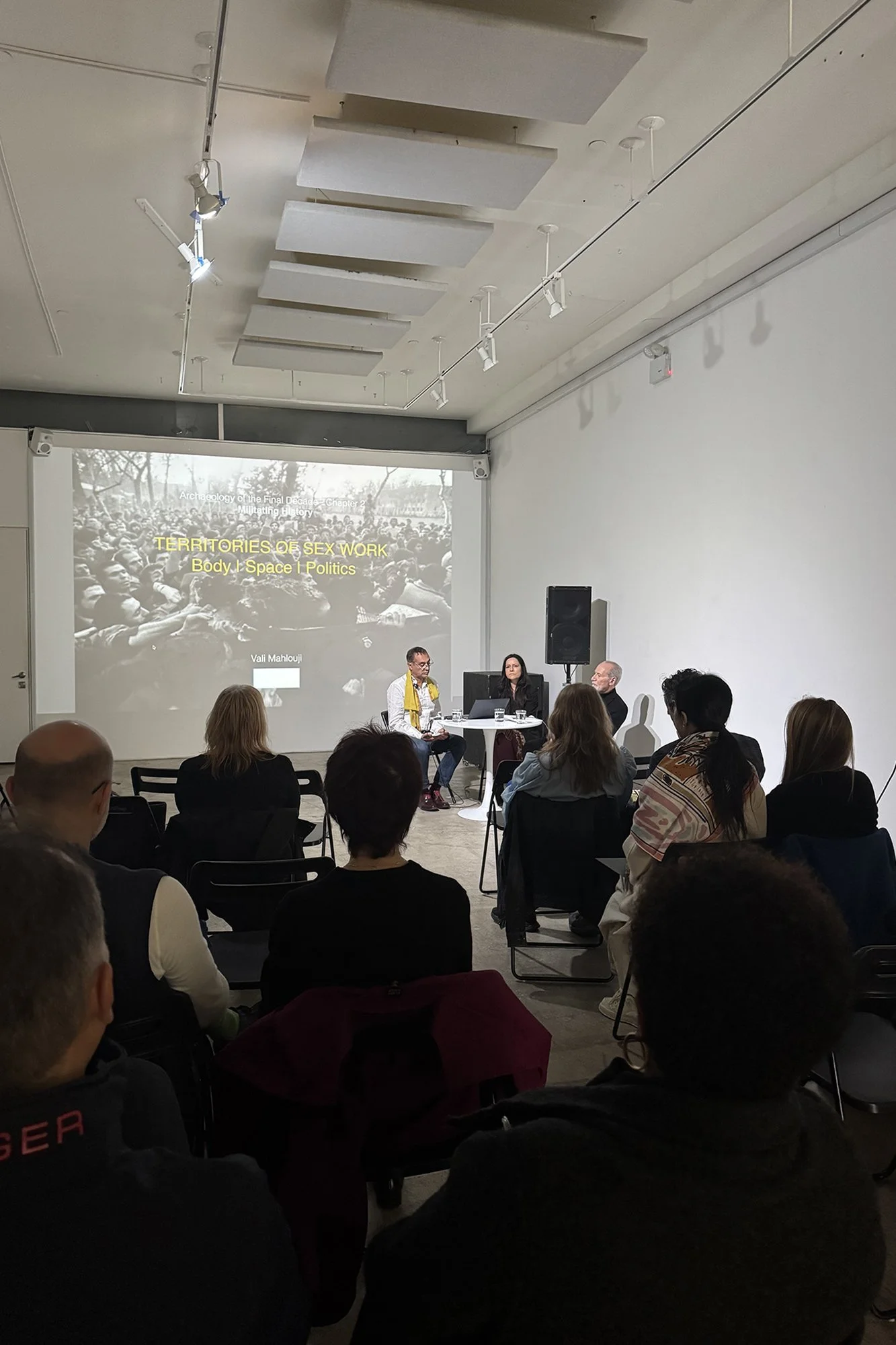
What persists after an episode of political or social violence is declared over? How does terror survive its immediate event by becoming embedded in the habits, defenses, and structures of everyday life?
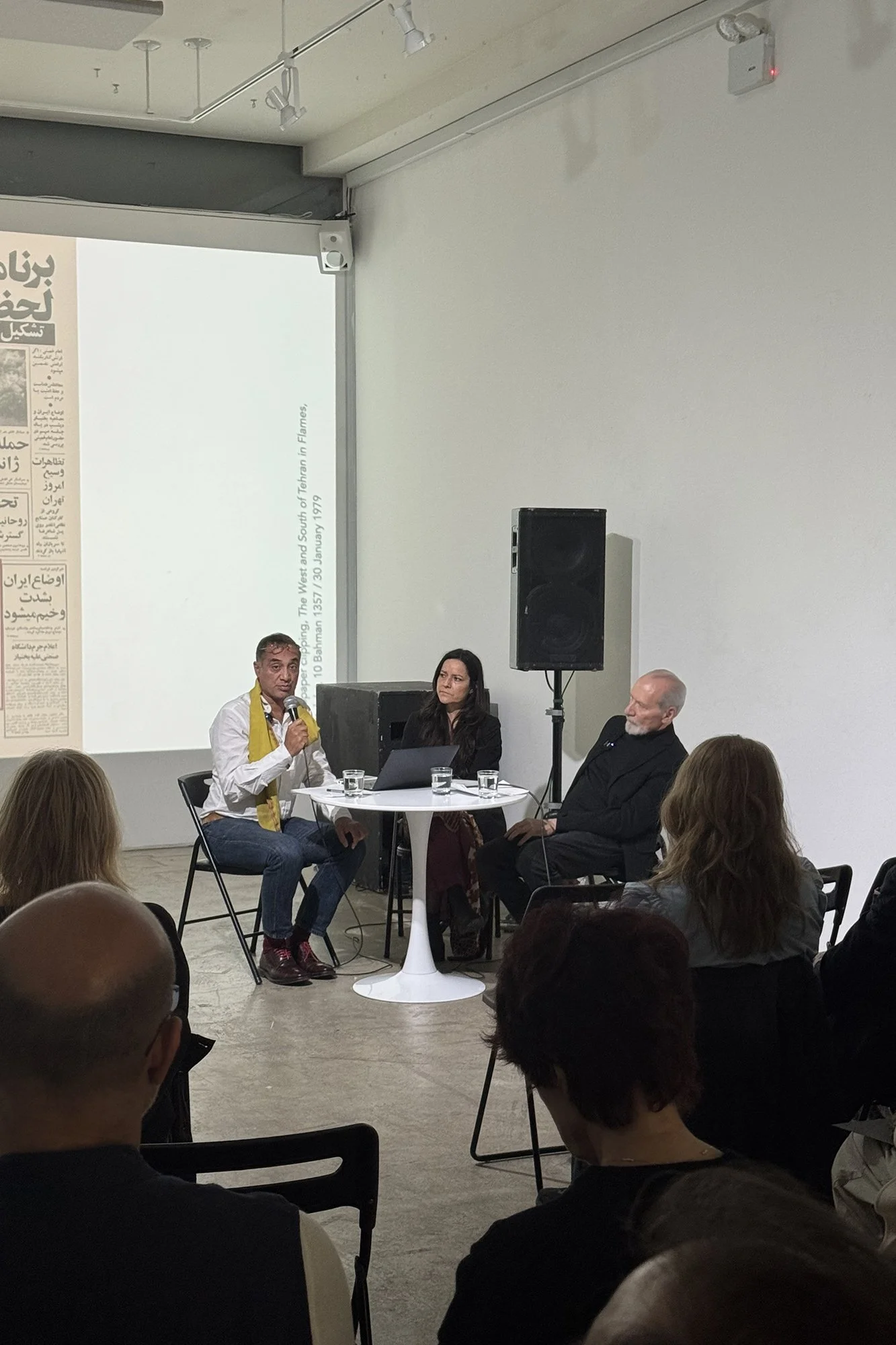
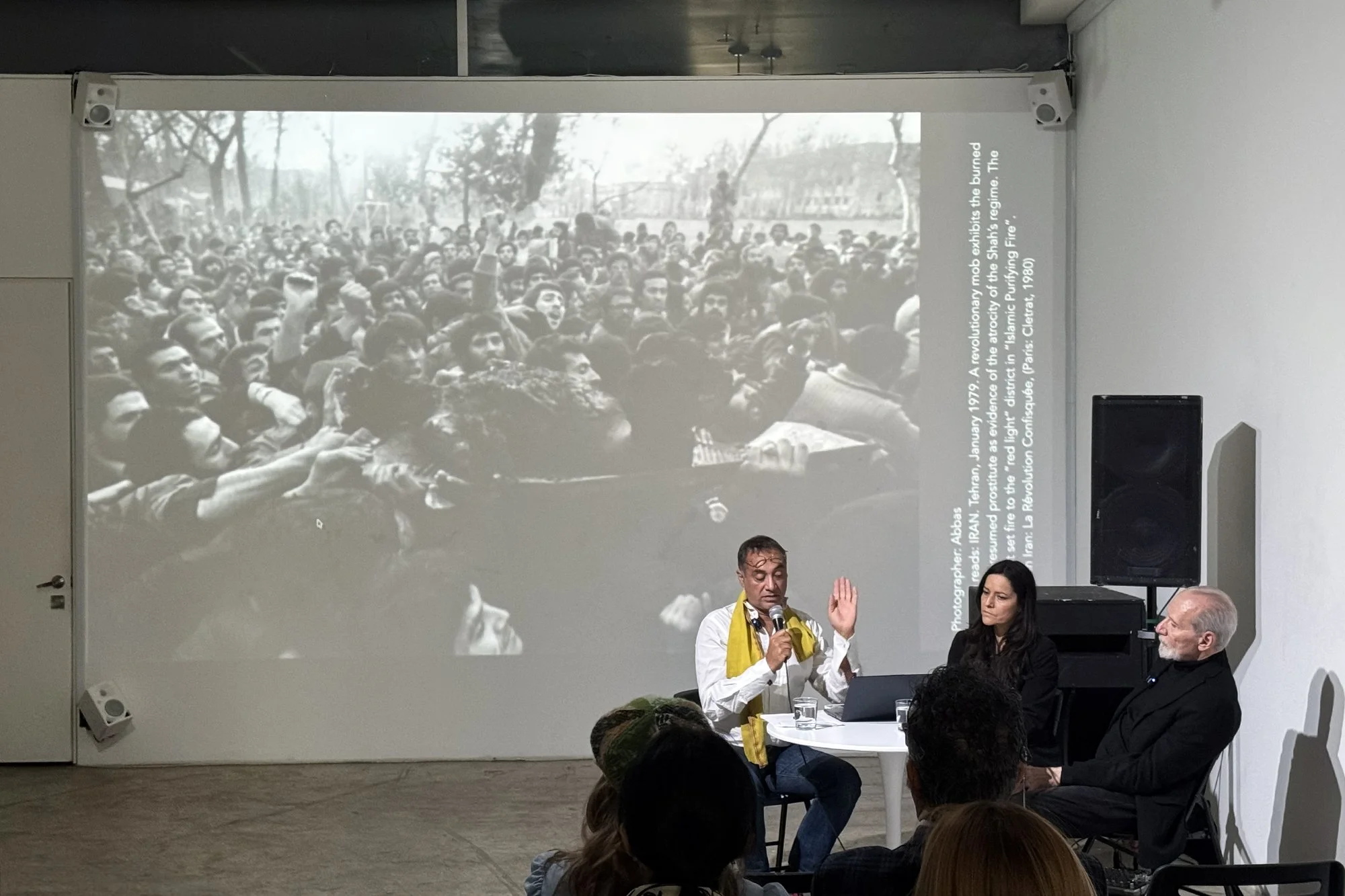
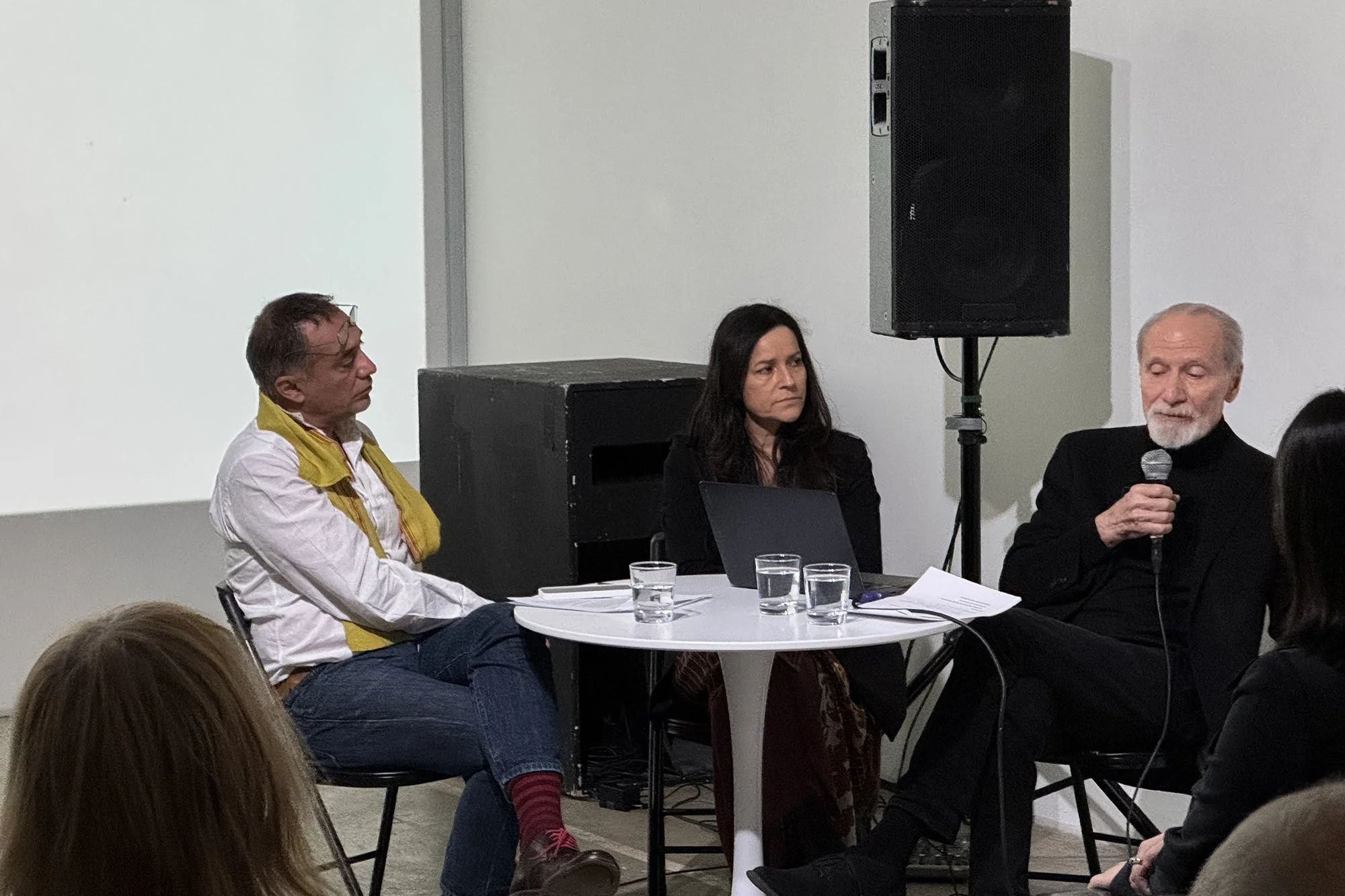
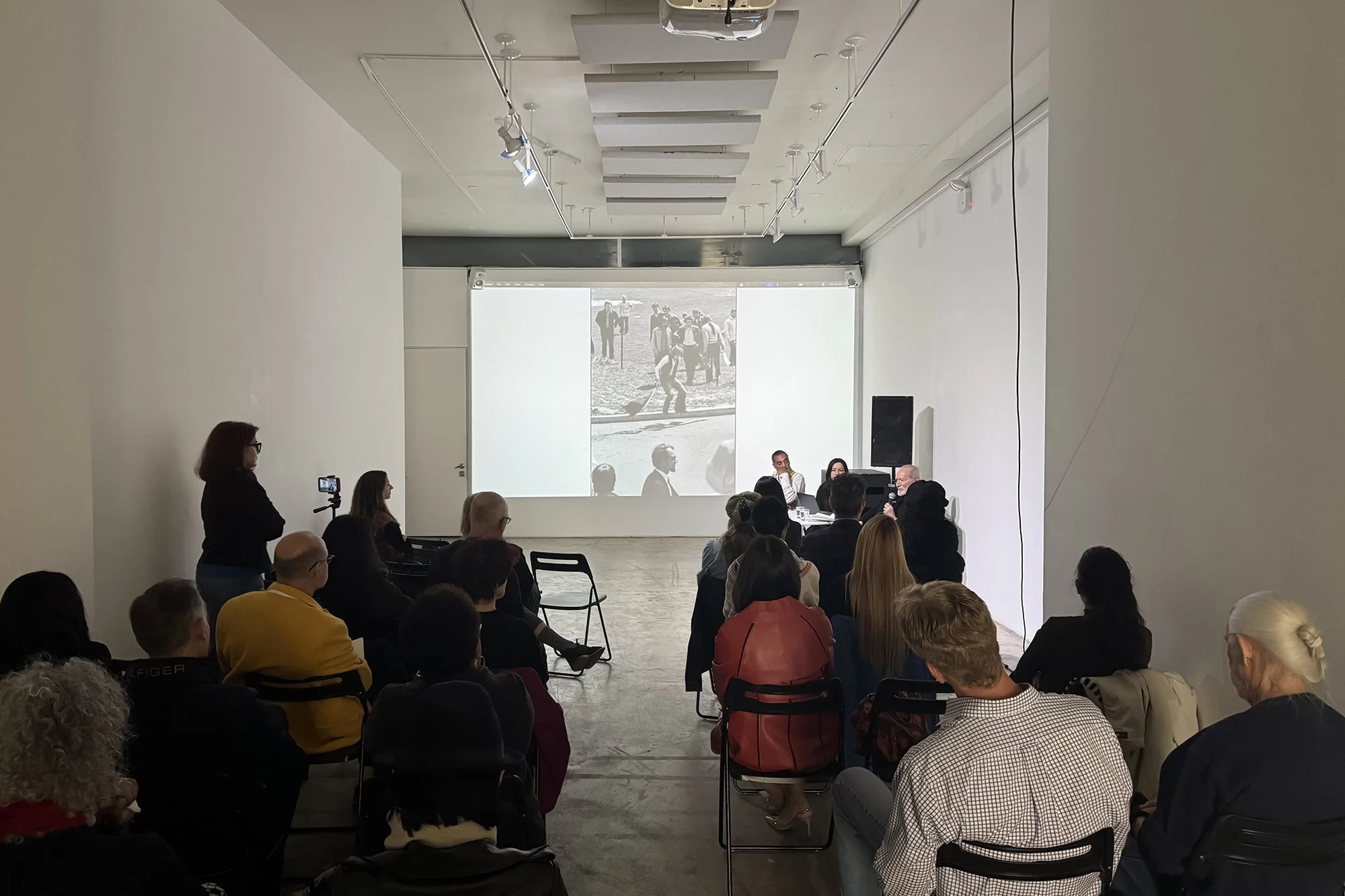
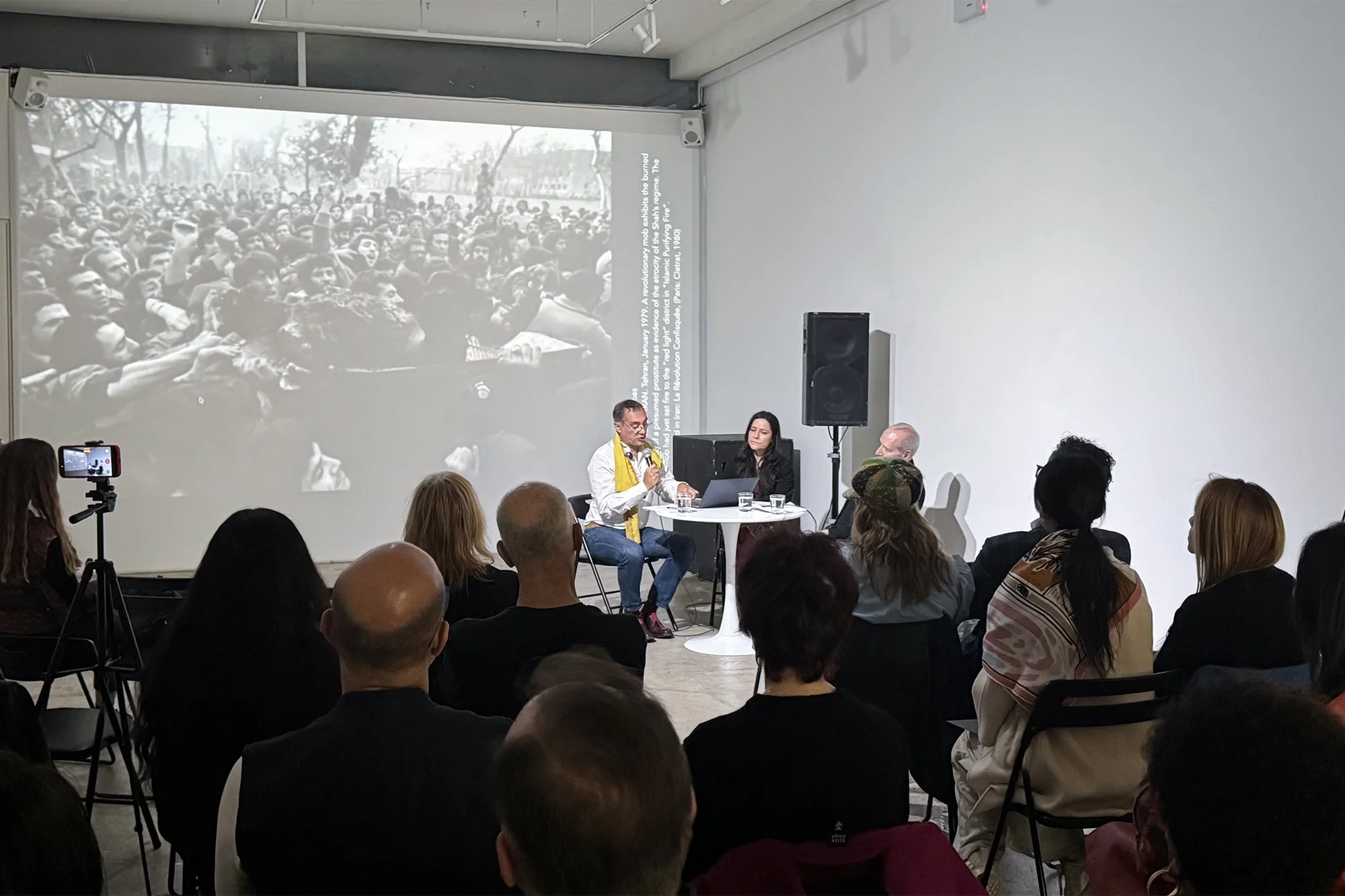
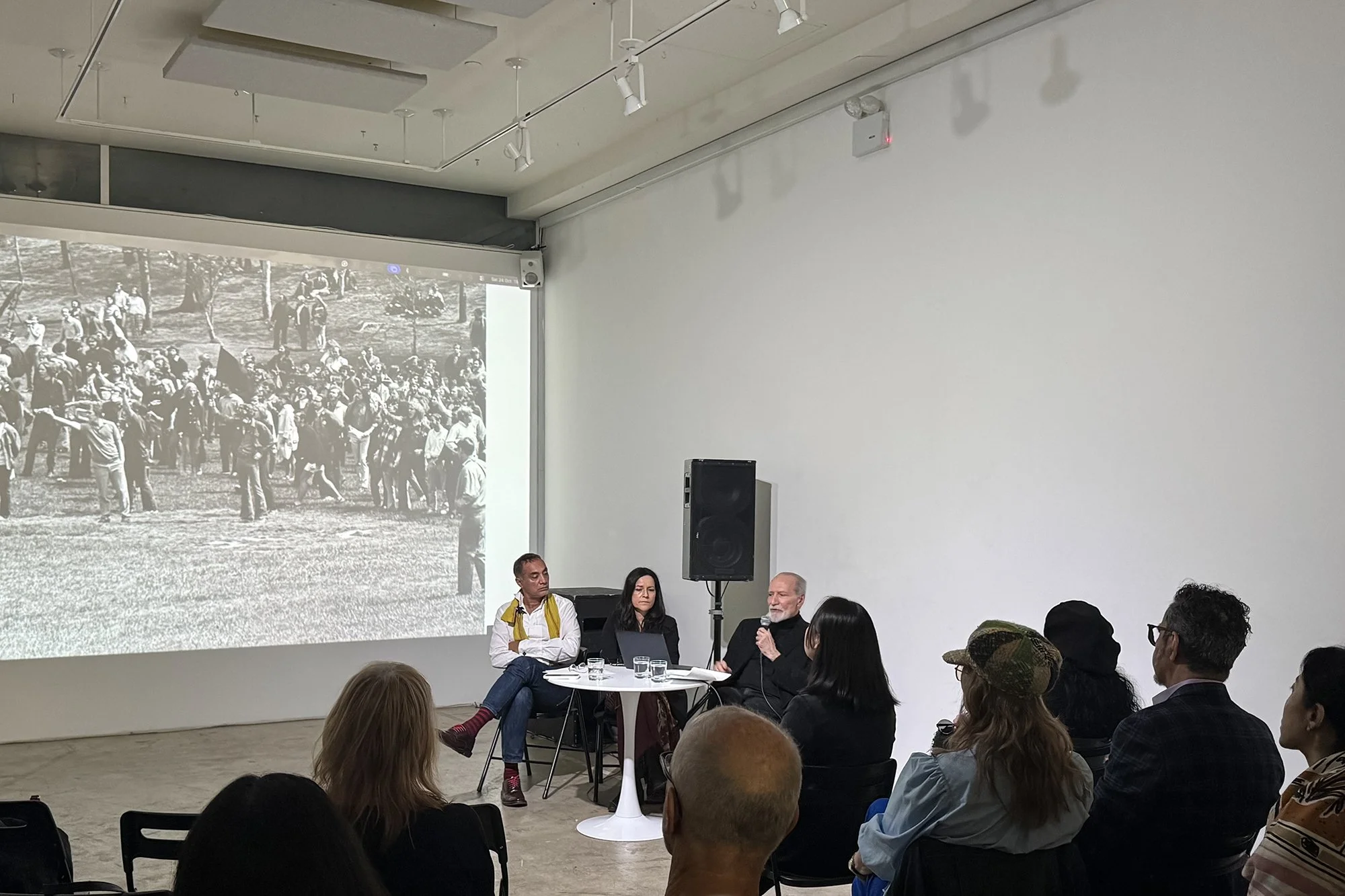
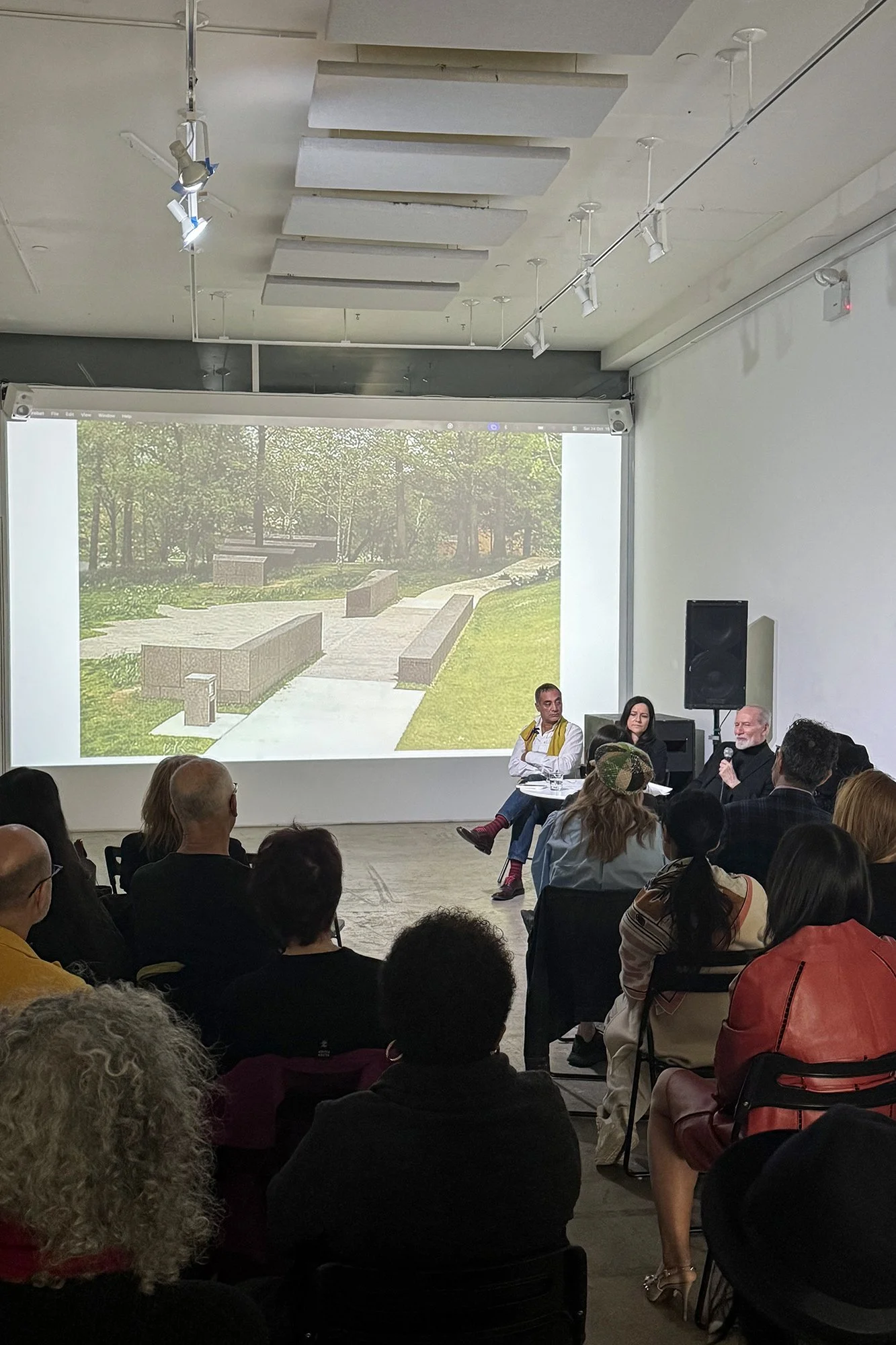
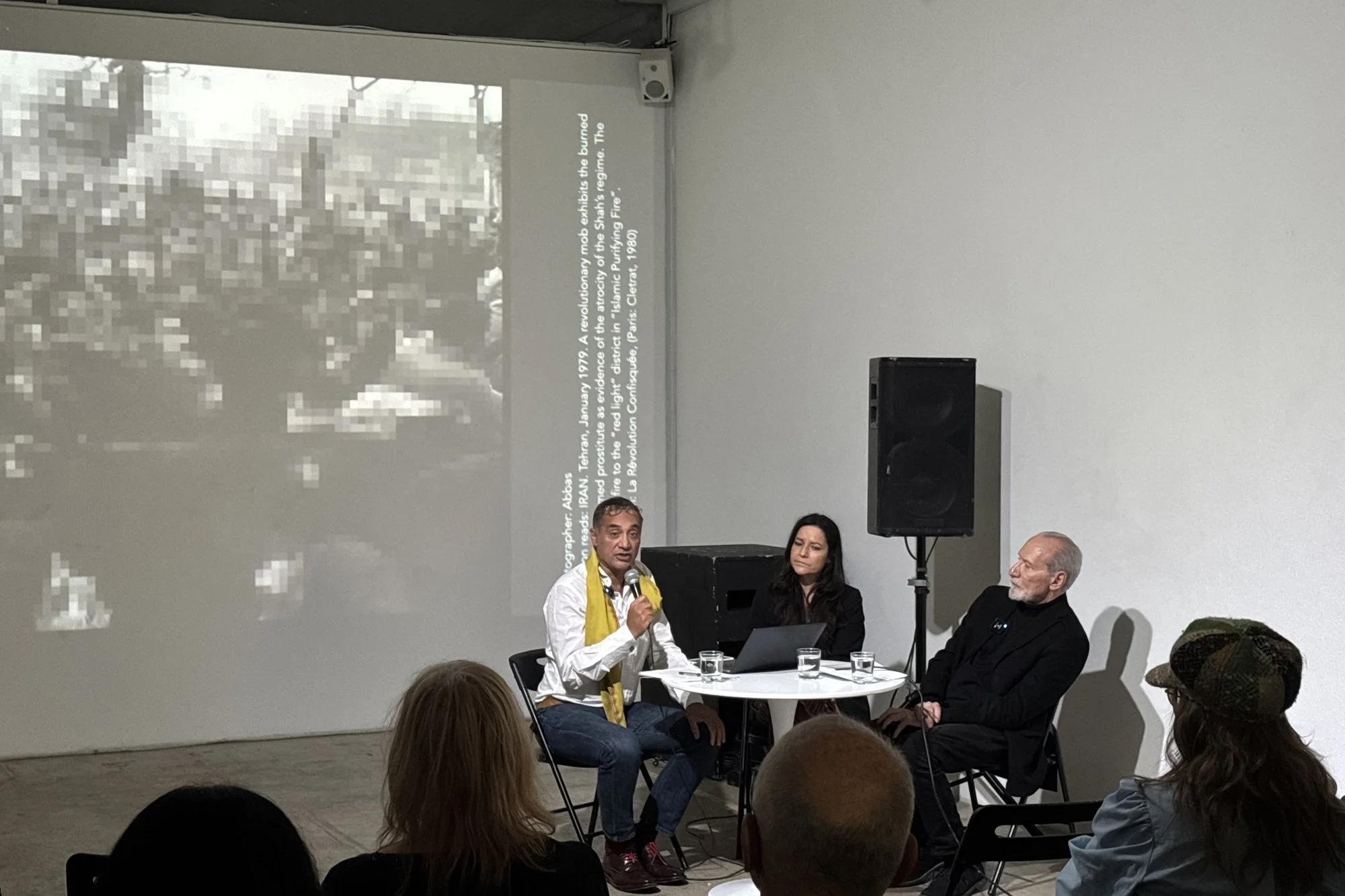
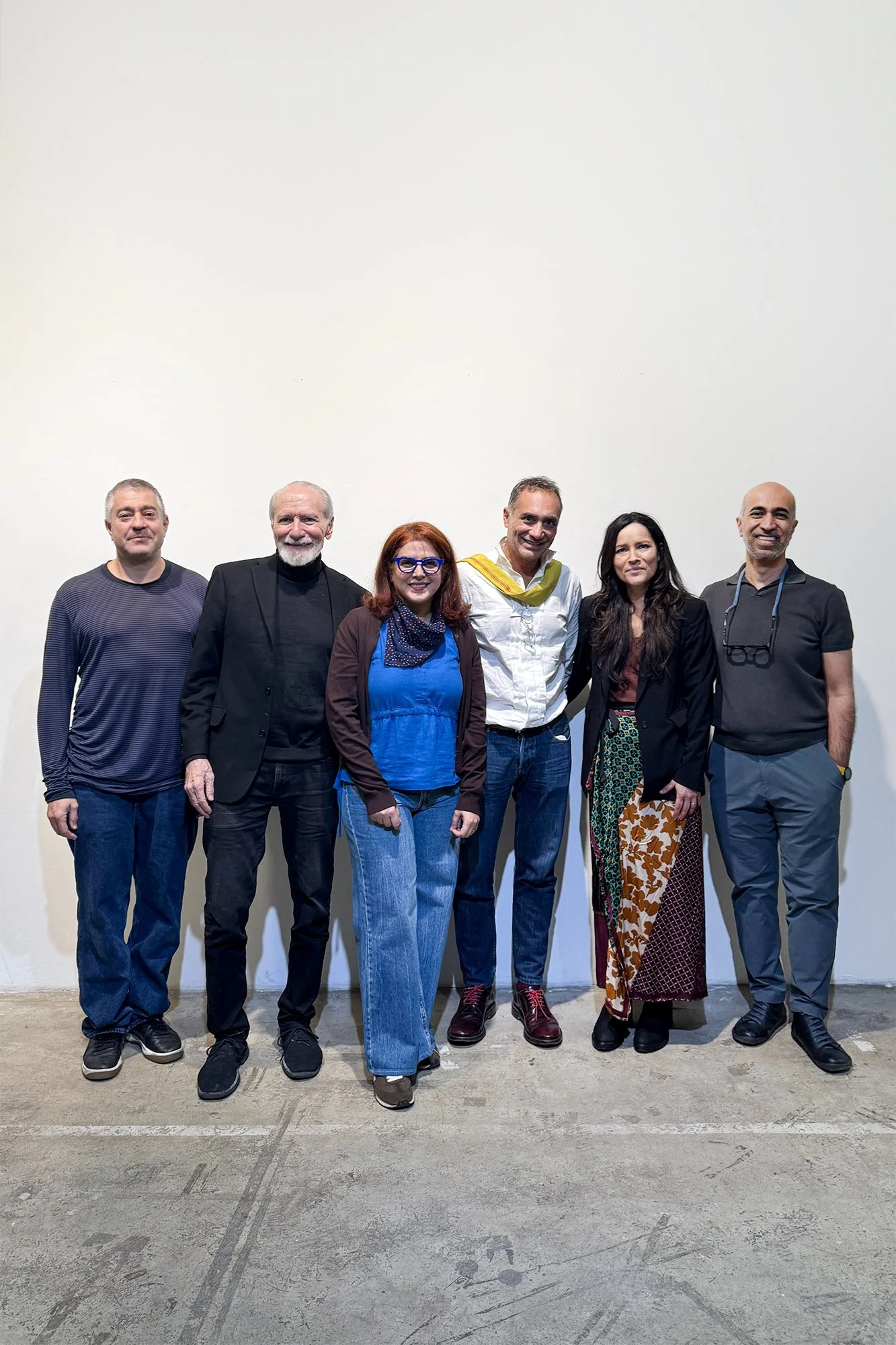
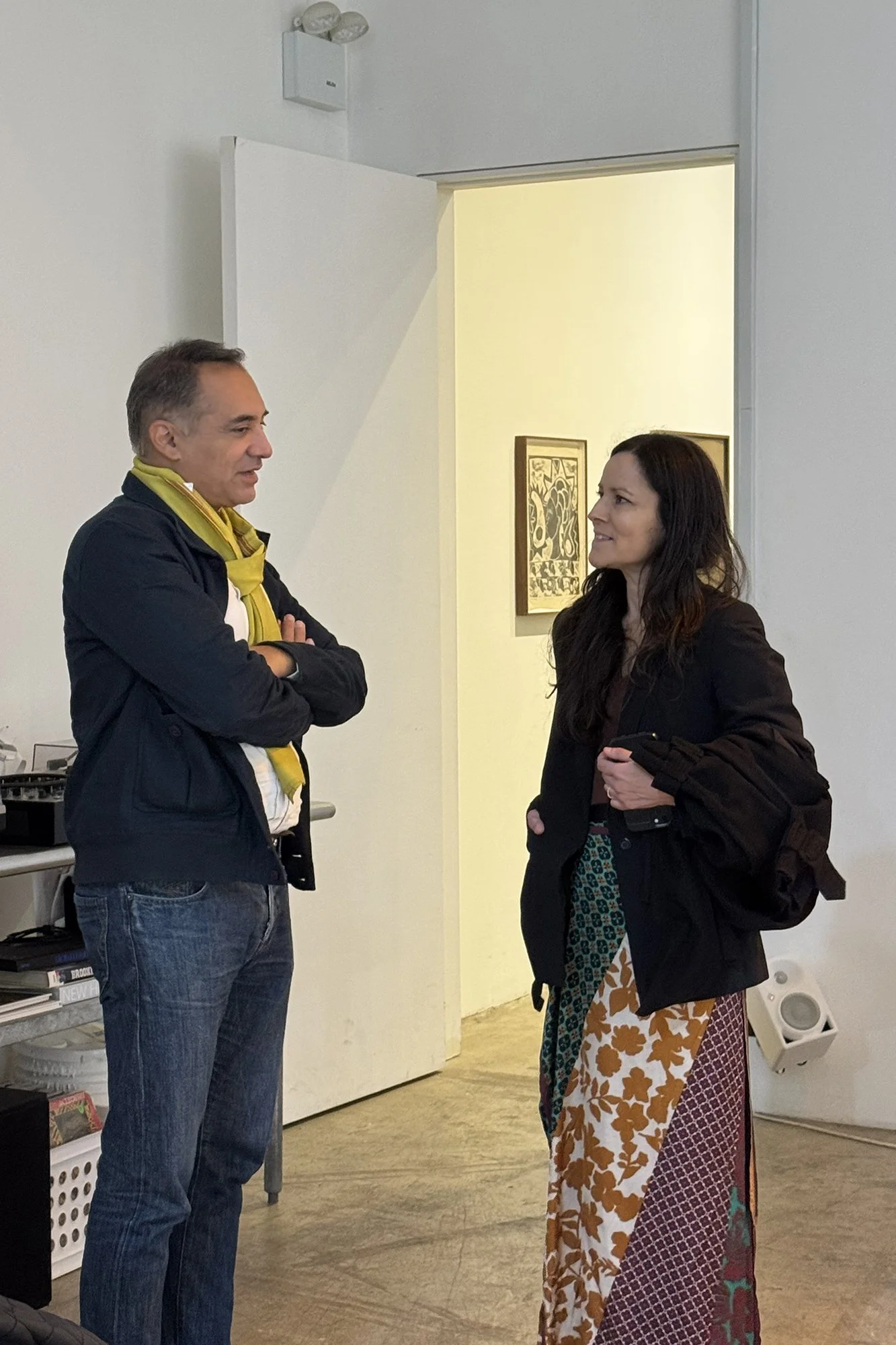
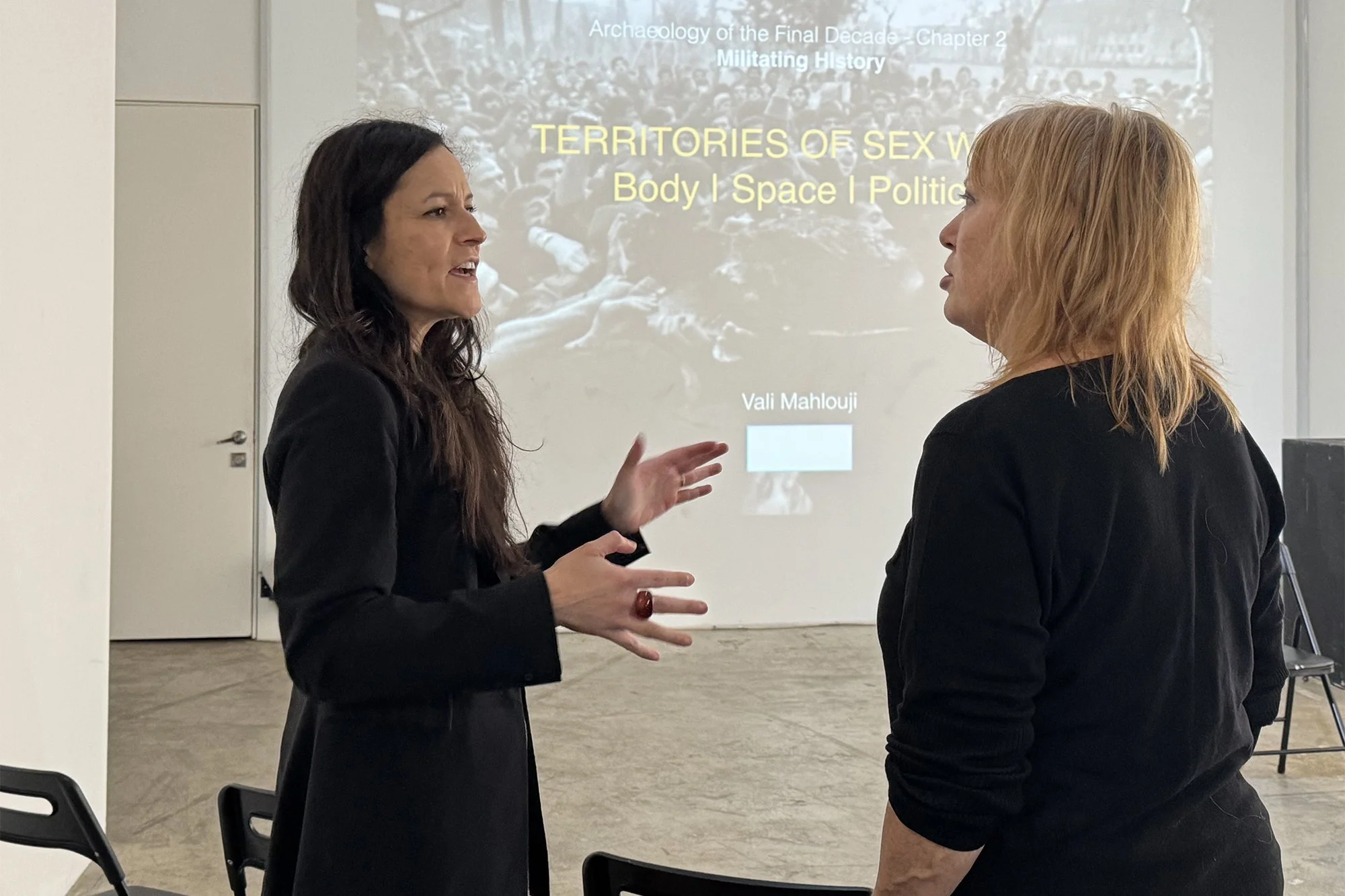
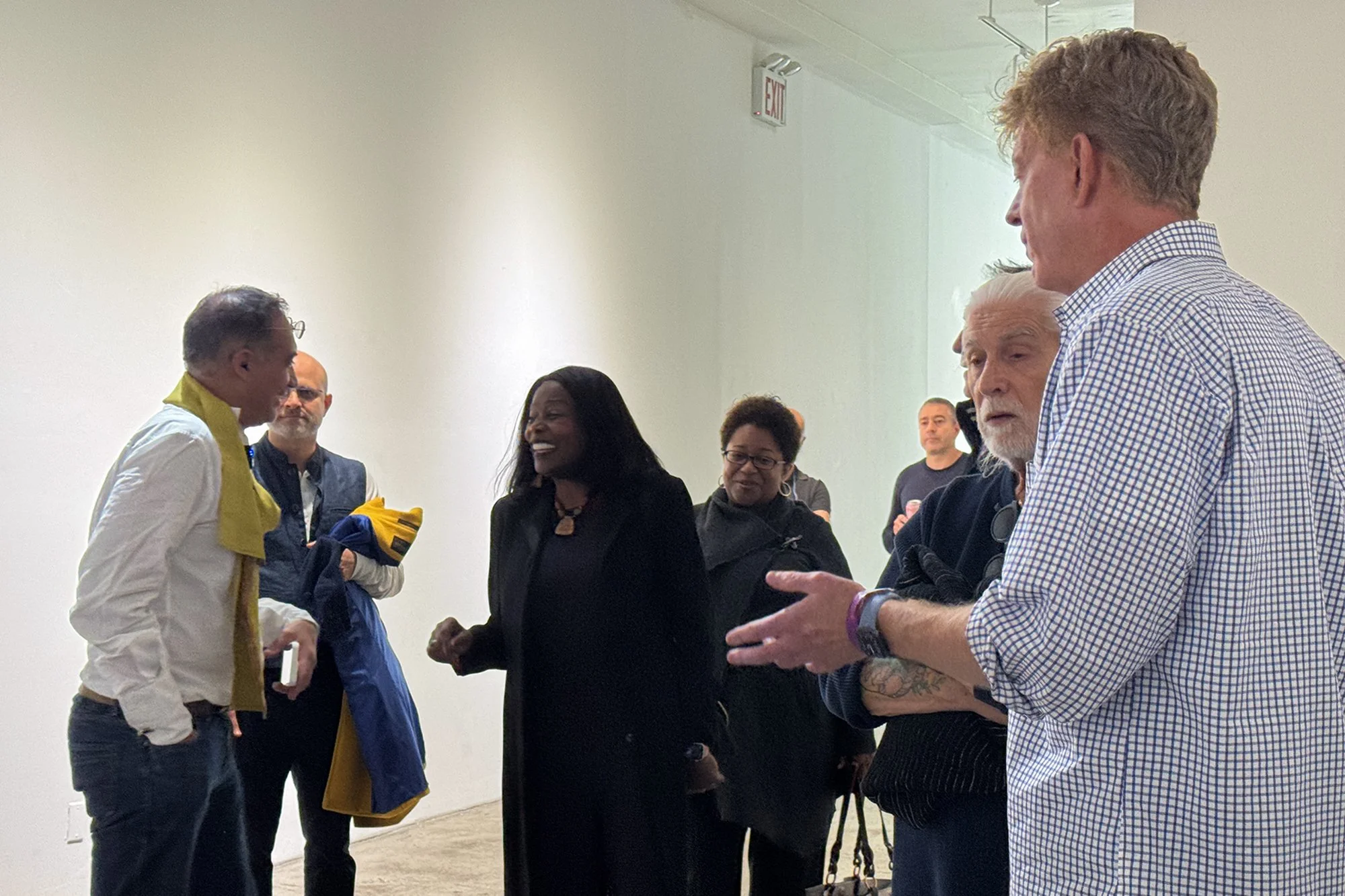
This panel brought together London-based curator Vali Mahlouji, founder of Archaeology of the Final Decade, New York-based critic Richard Vine, and curator and writer Natasha Chuk, who also moderated, for a conversation about their critical and cultural work with histories of conflict, state violence, and the cultural memory and legacies of these events. The discussion considered how violence can persist both through what is remembered and through what is suppressed, avoided, or rendered unspeakable, approaching haunting and “absent-presence” as evidence of violence that remains active in social and psychic life.
The conversation was followed by an engaging Q&A with the audience.
The panel was part of Badiyeh Arts’ Exchange Program 02, in partnership with Archaeology of the Final Decade (London), and was hosted by Fridman Gallery.