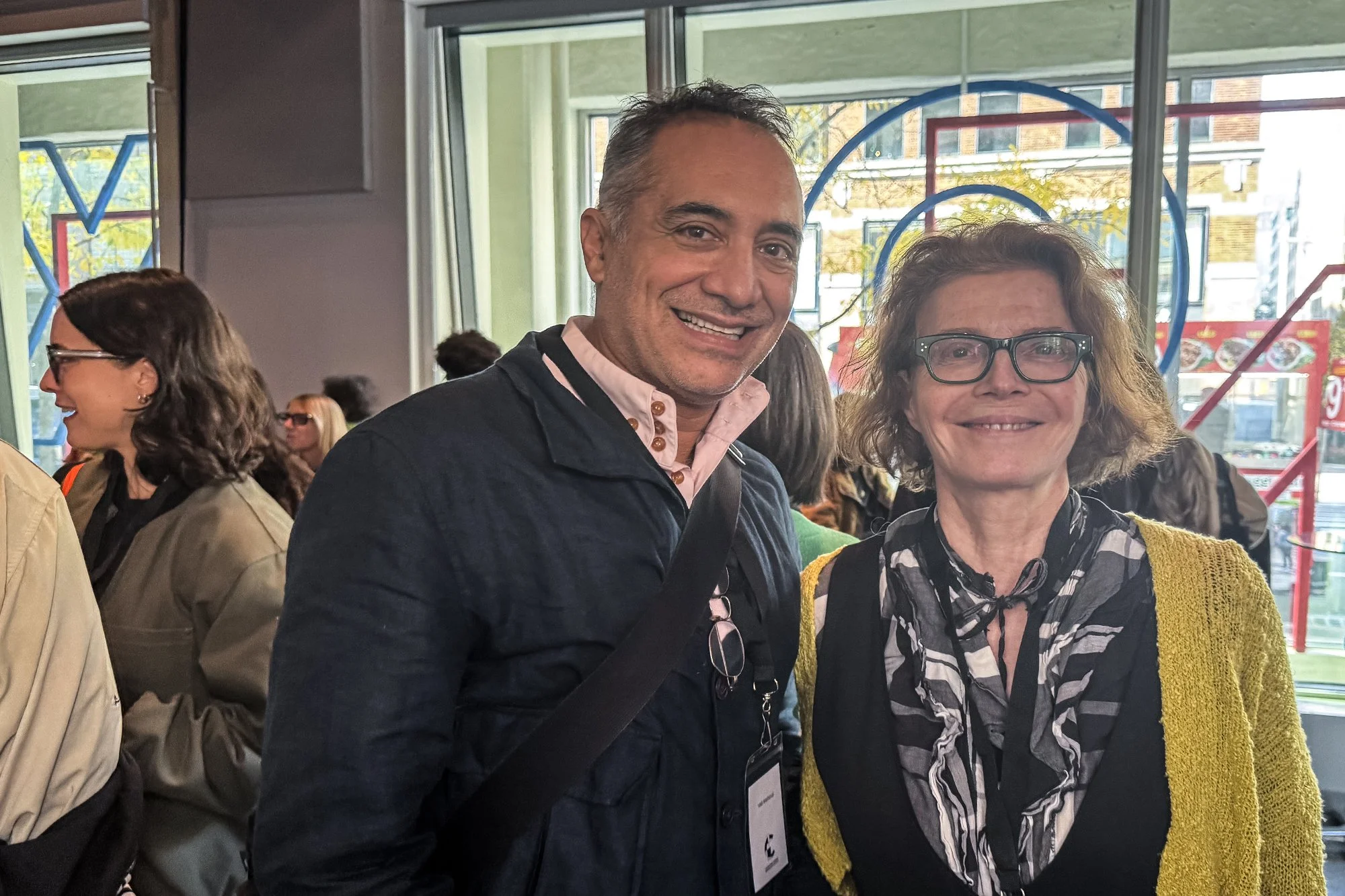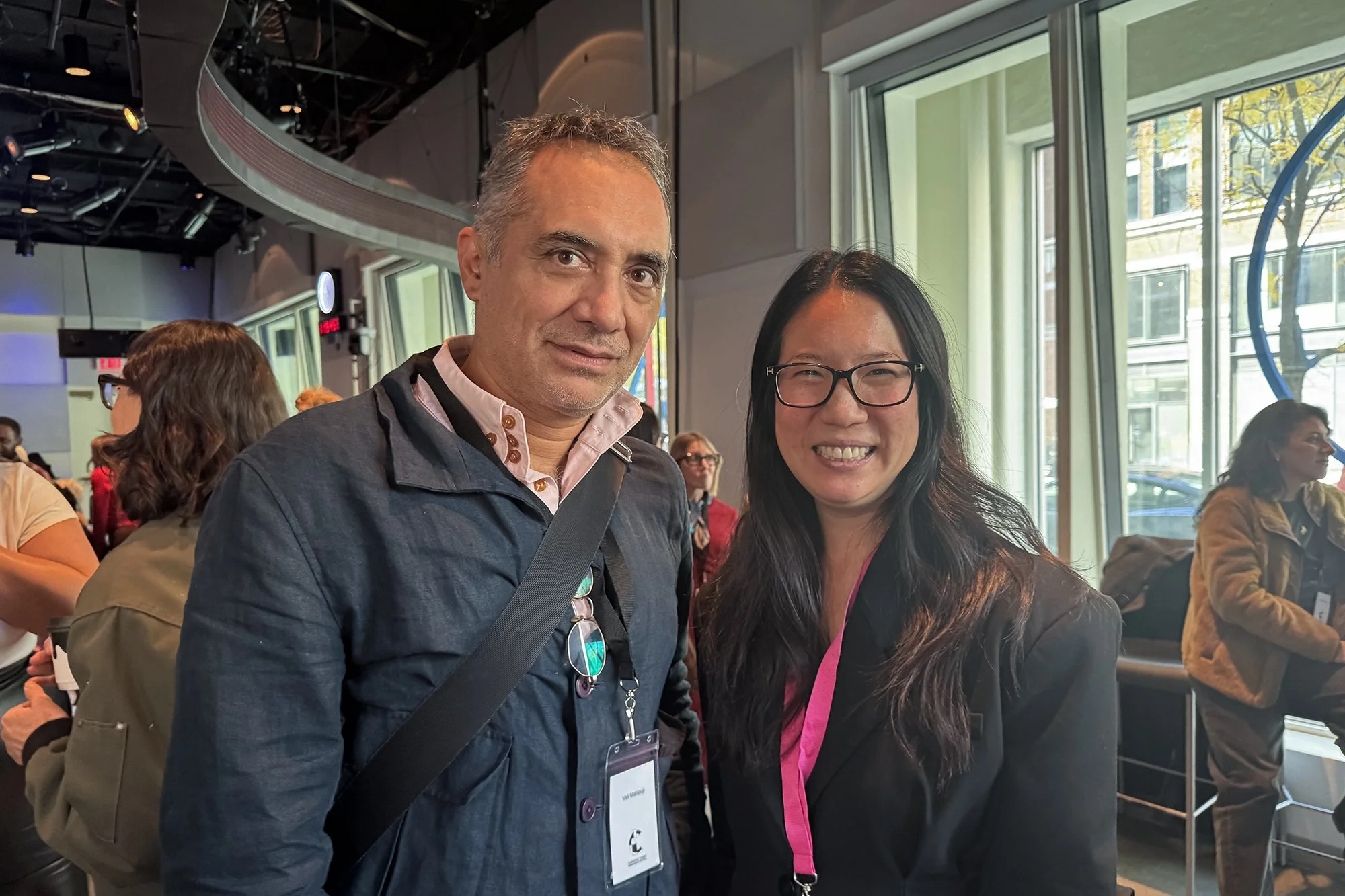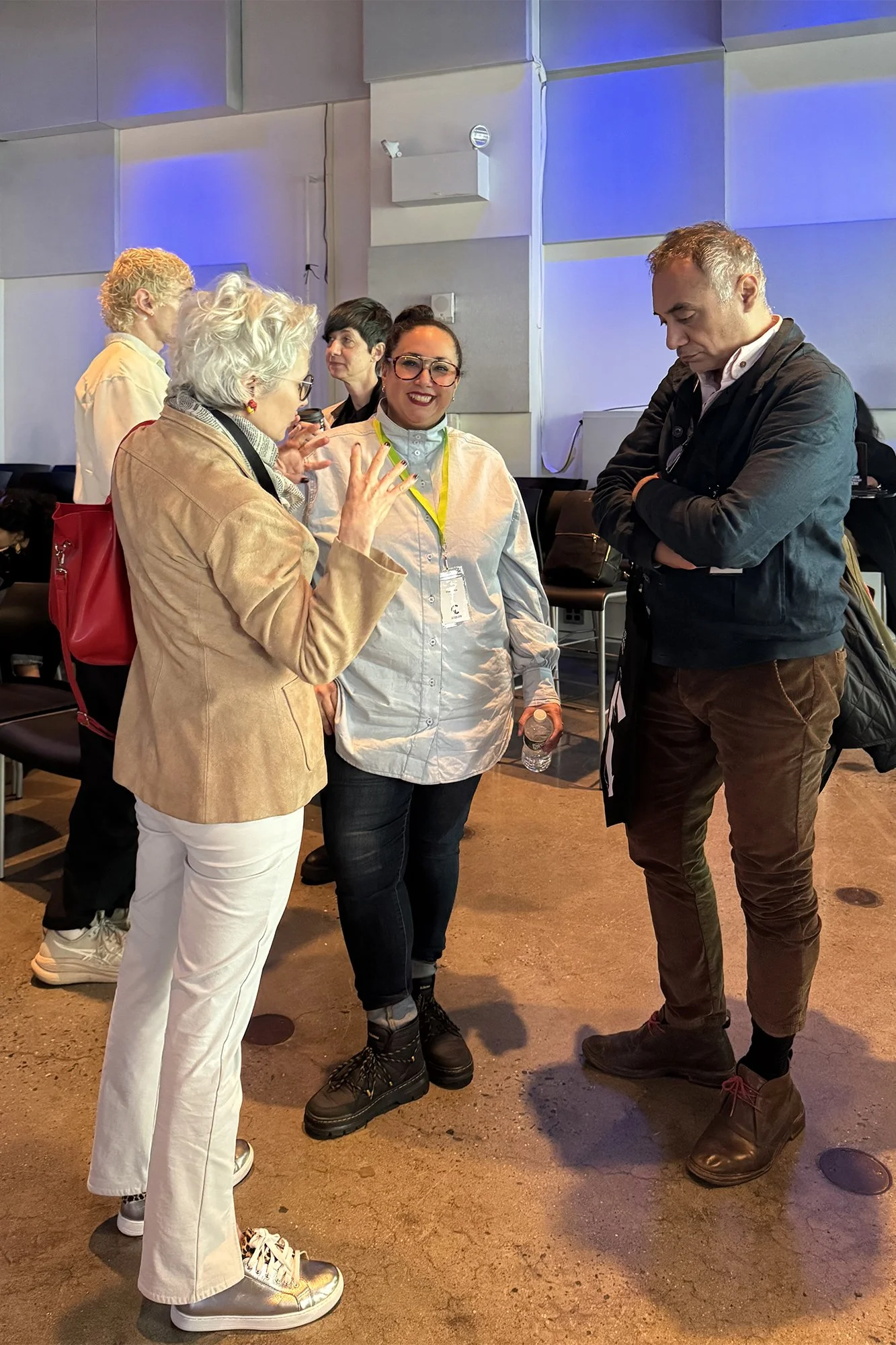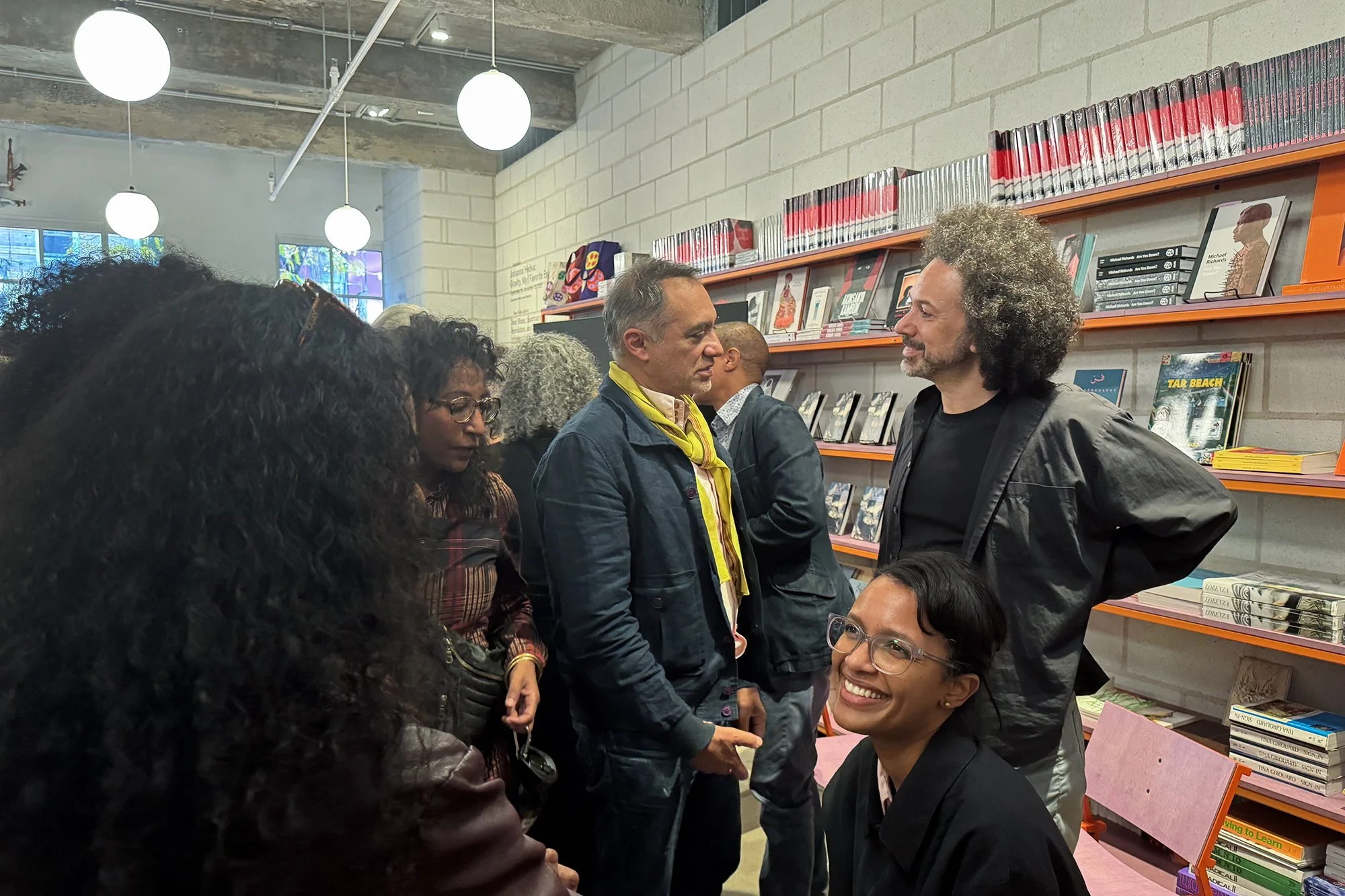
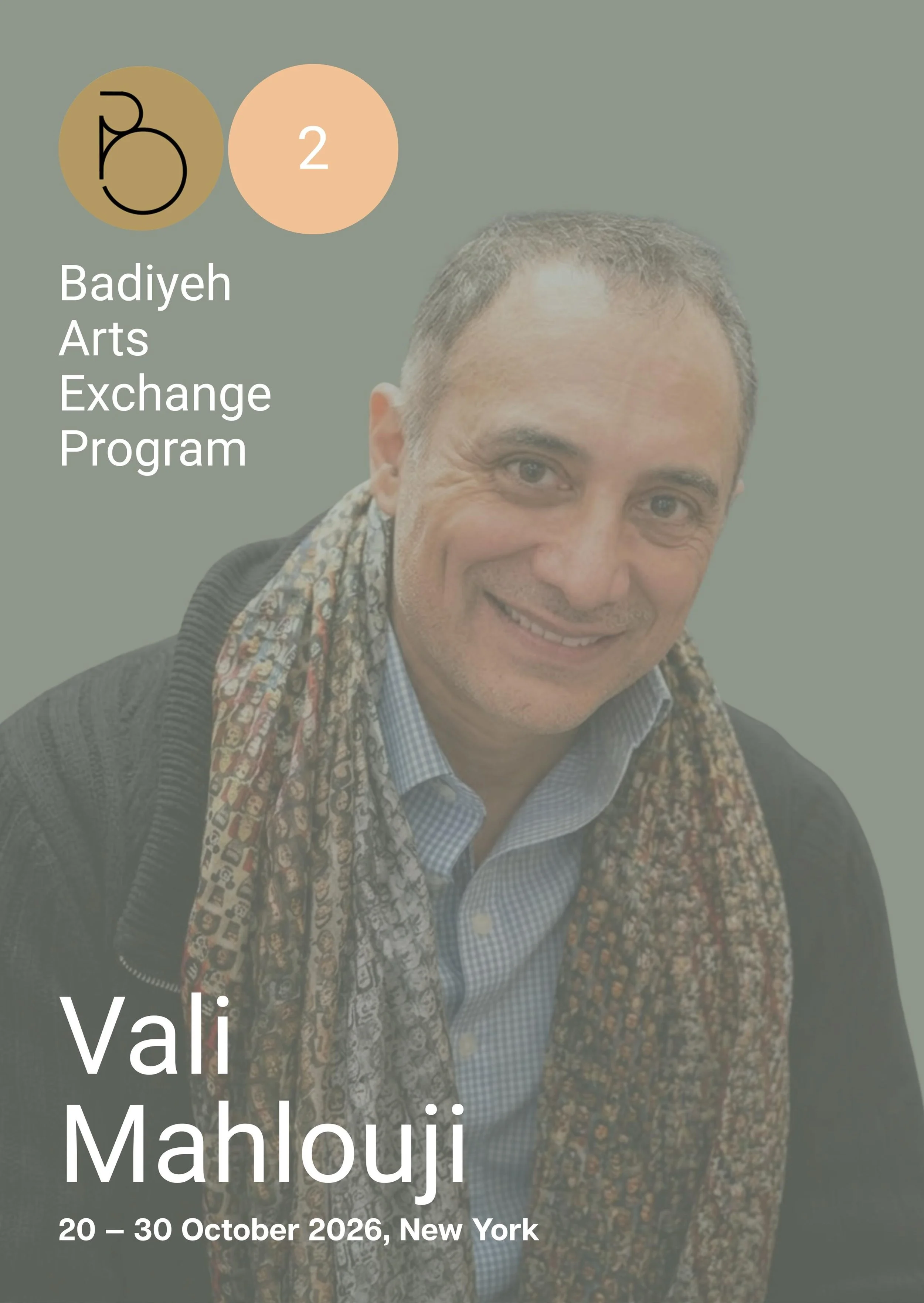
The second edition of the Badiyeh Arts Exchange Program, developed in partnership with Archaeology of the Final Decade (London), welcomed Vali Mahlouji (Curator; Founder and Director of Archaeology of the Final Decade) to New York from 20 to 30 October 2026. The second edition was shaped around his research into cultural memory and the archive: how cultural material that has been lost, censored, or erased can be recovered, reread, and returned to public life.
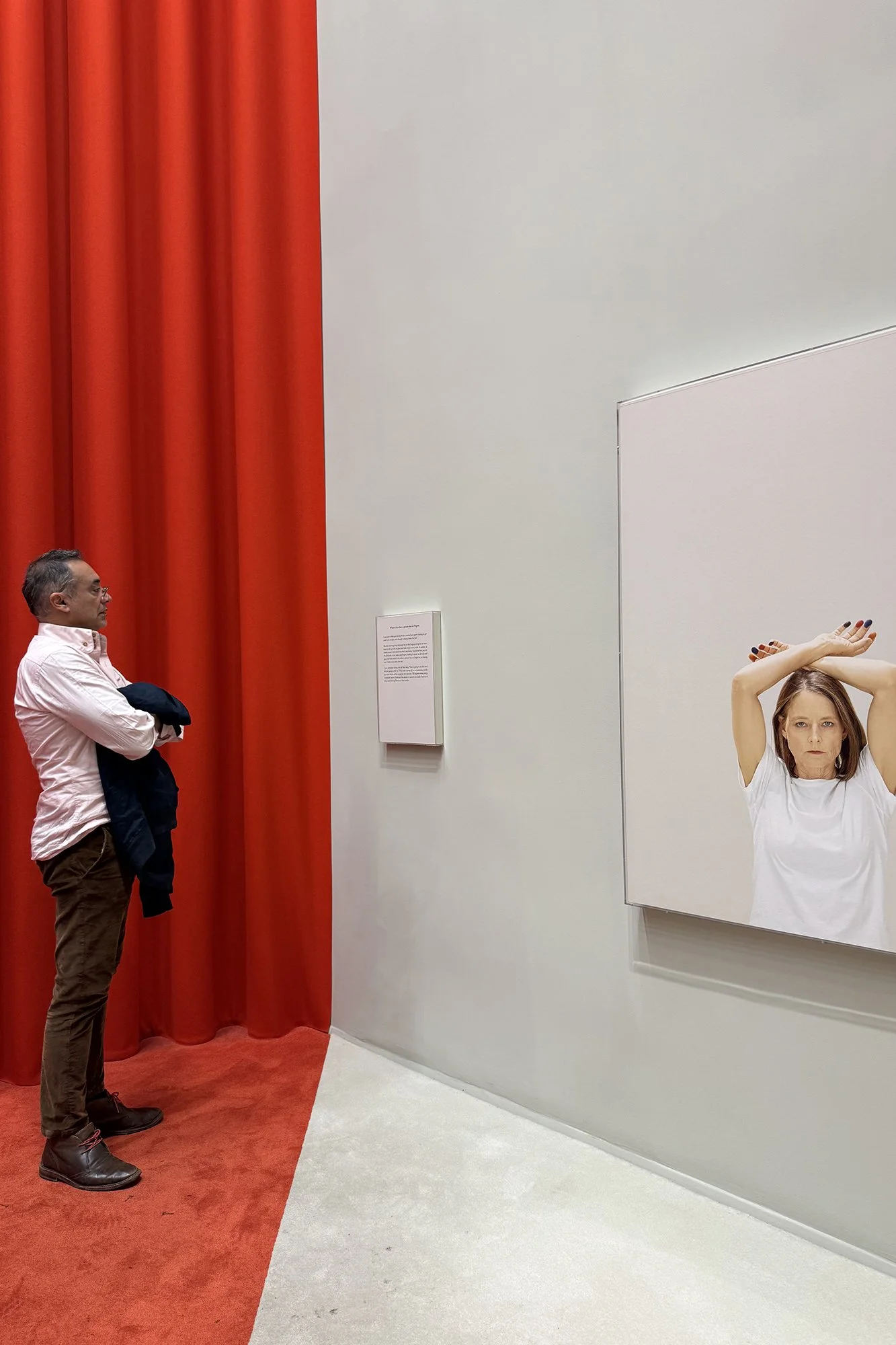
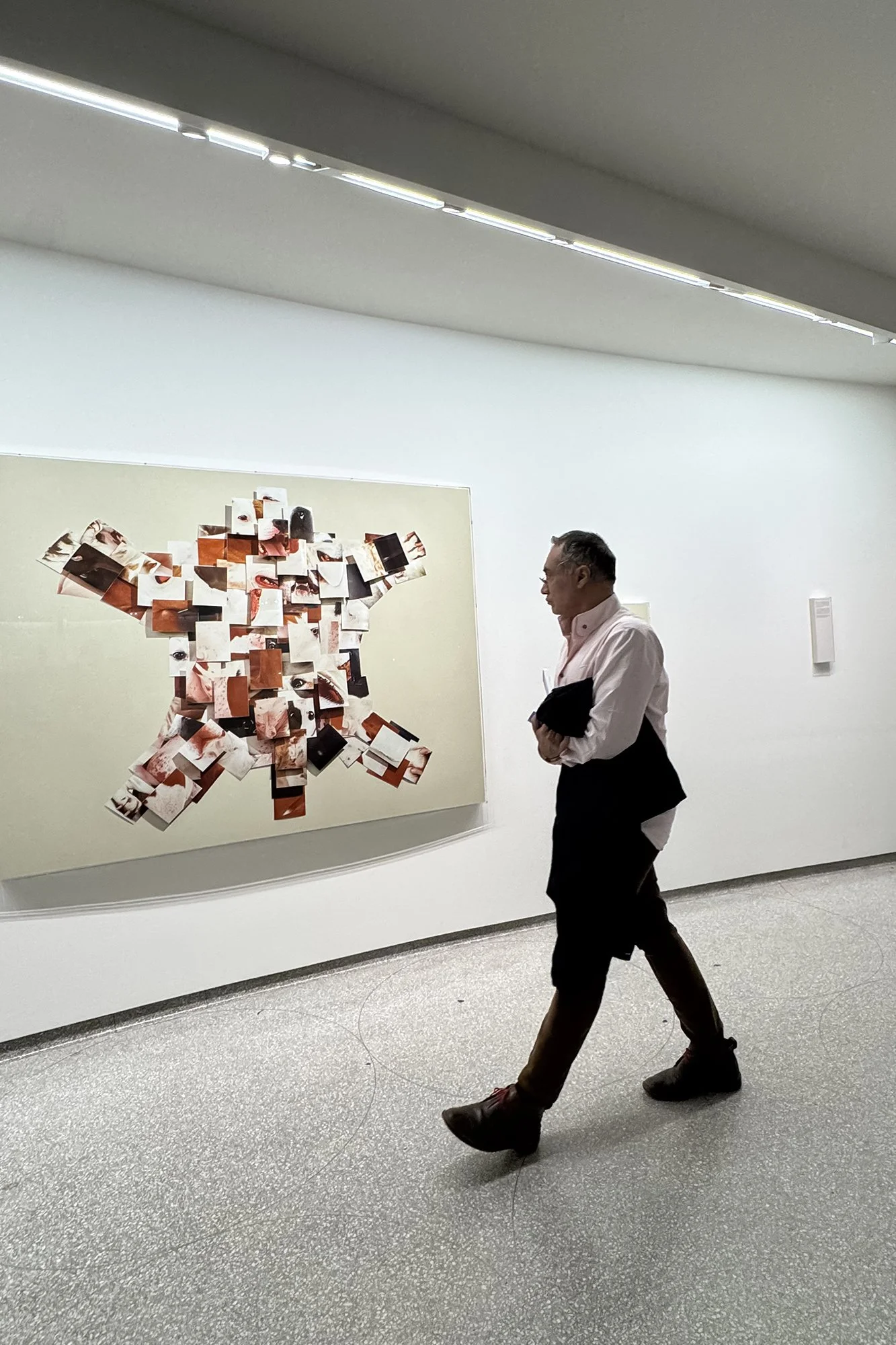
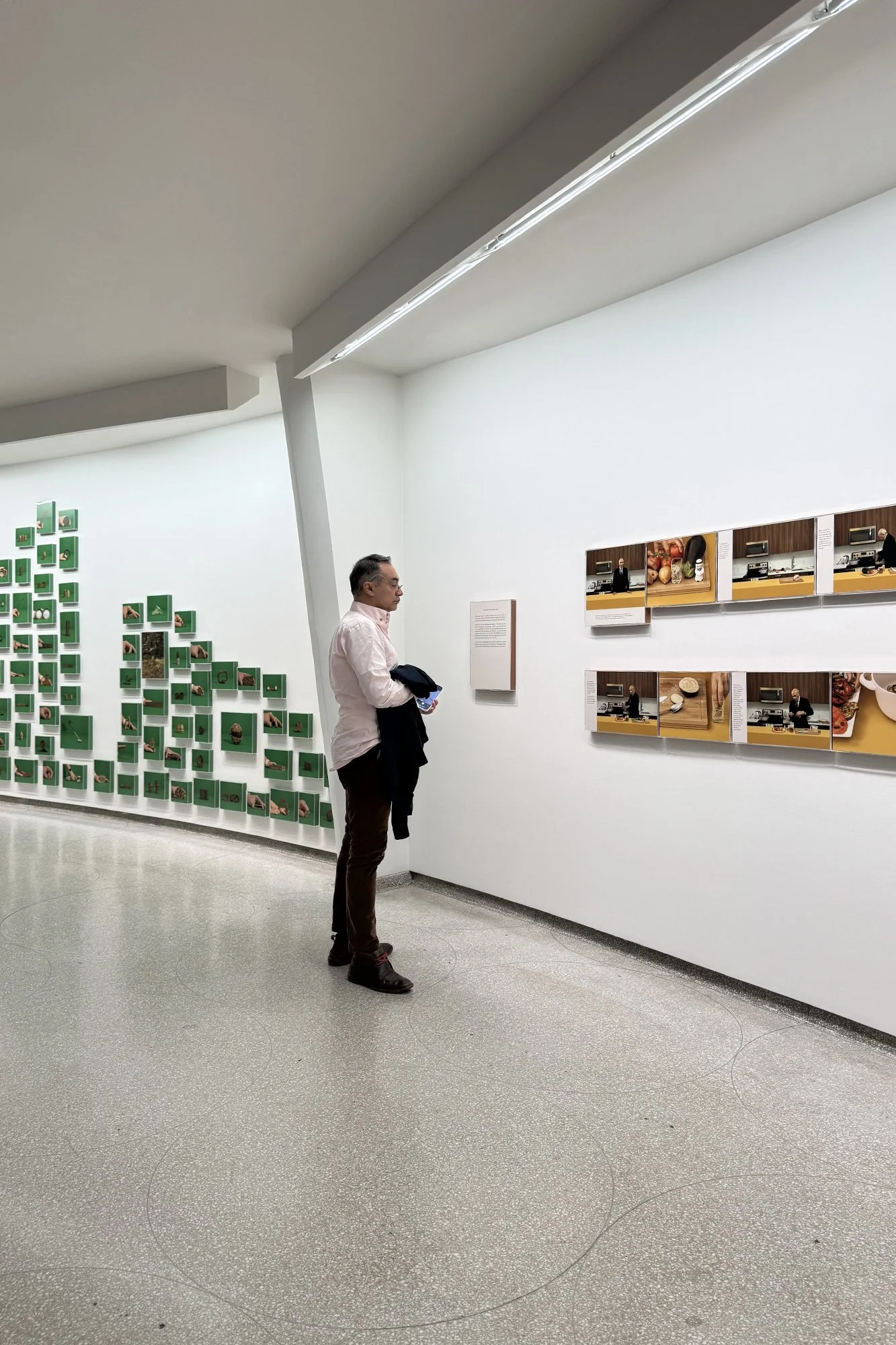
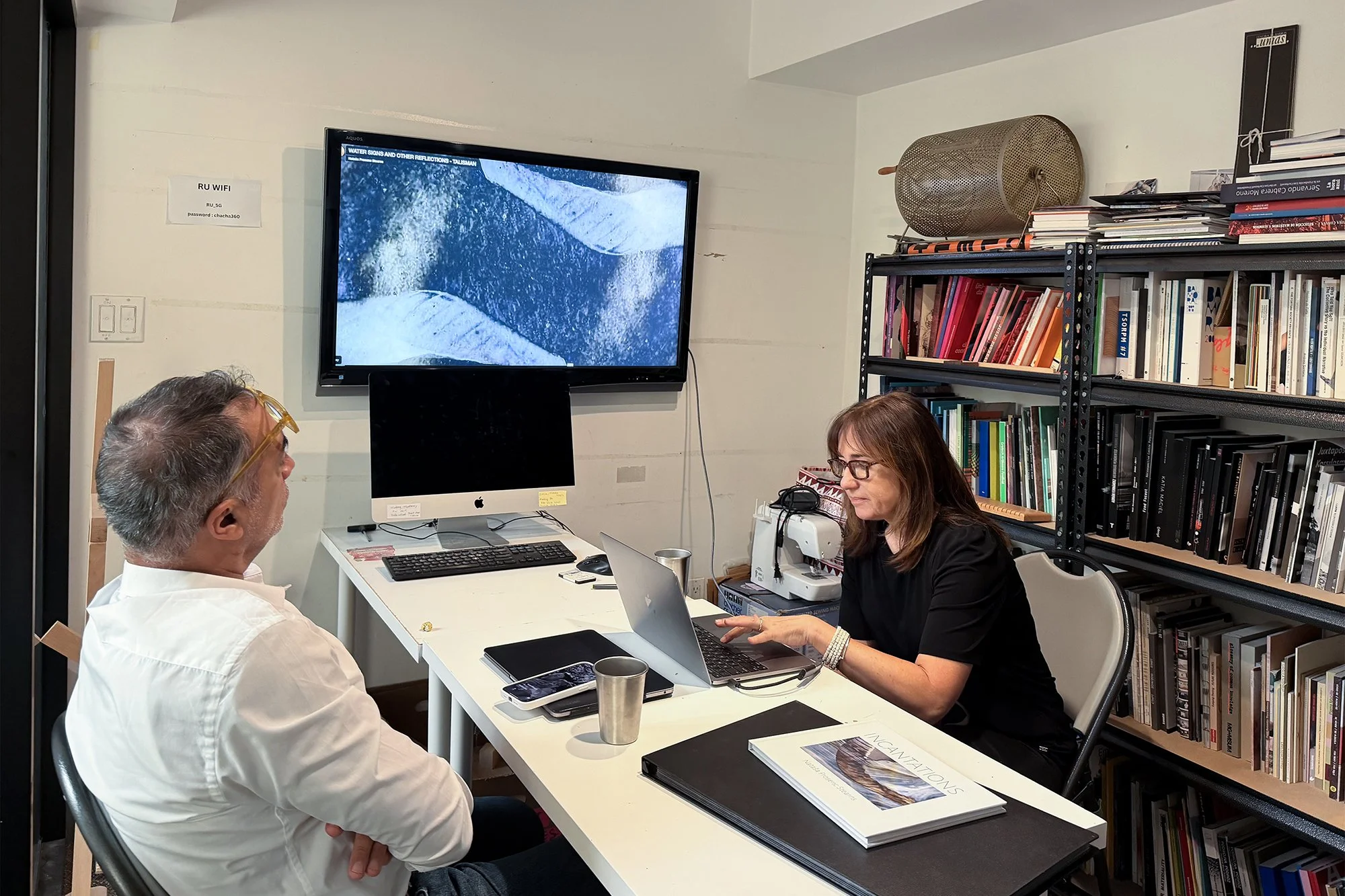
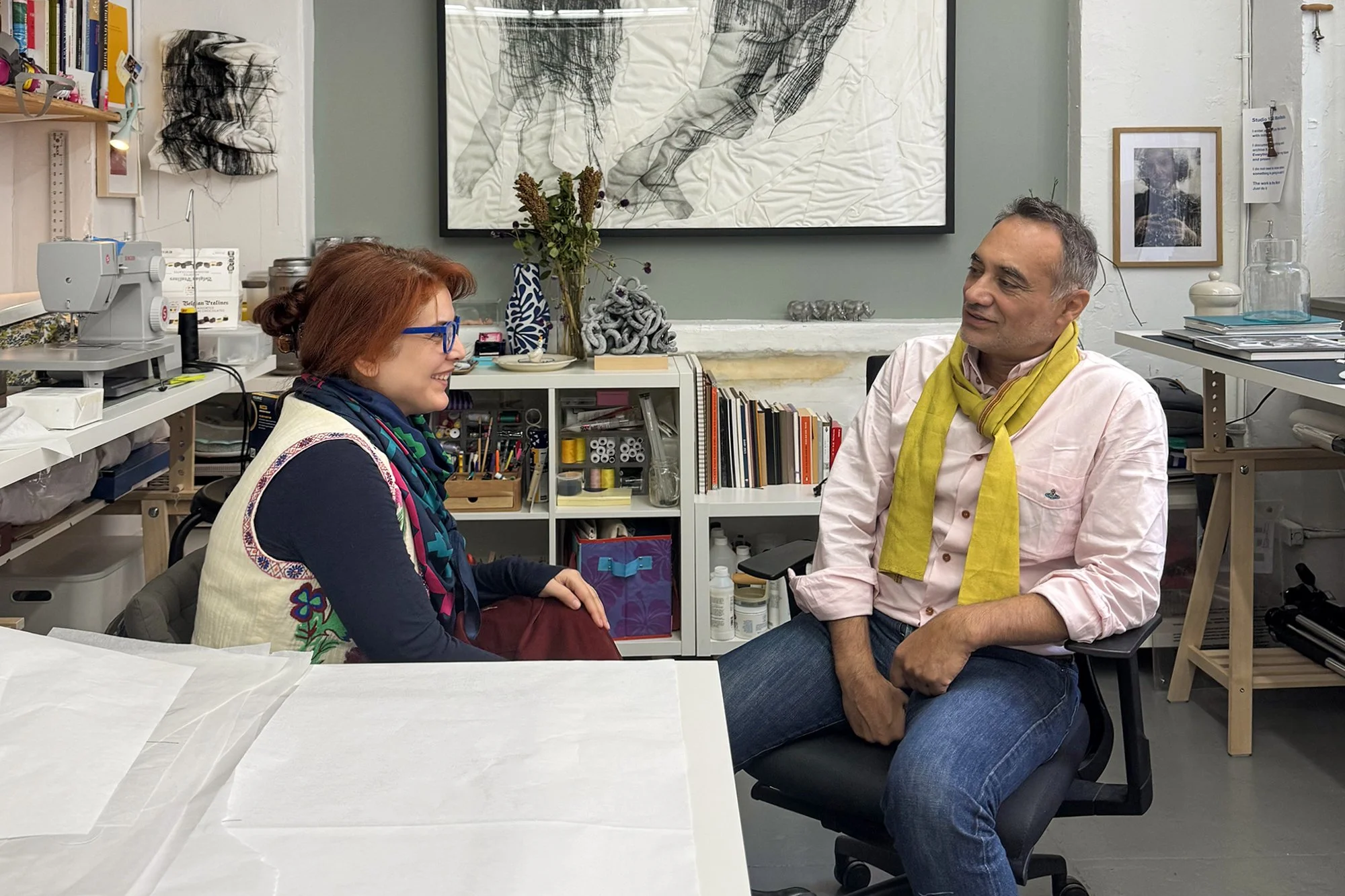
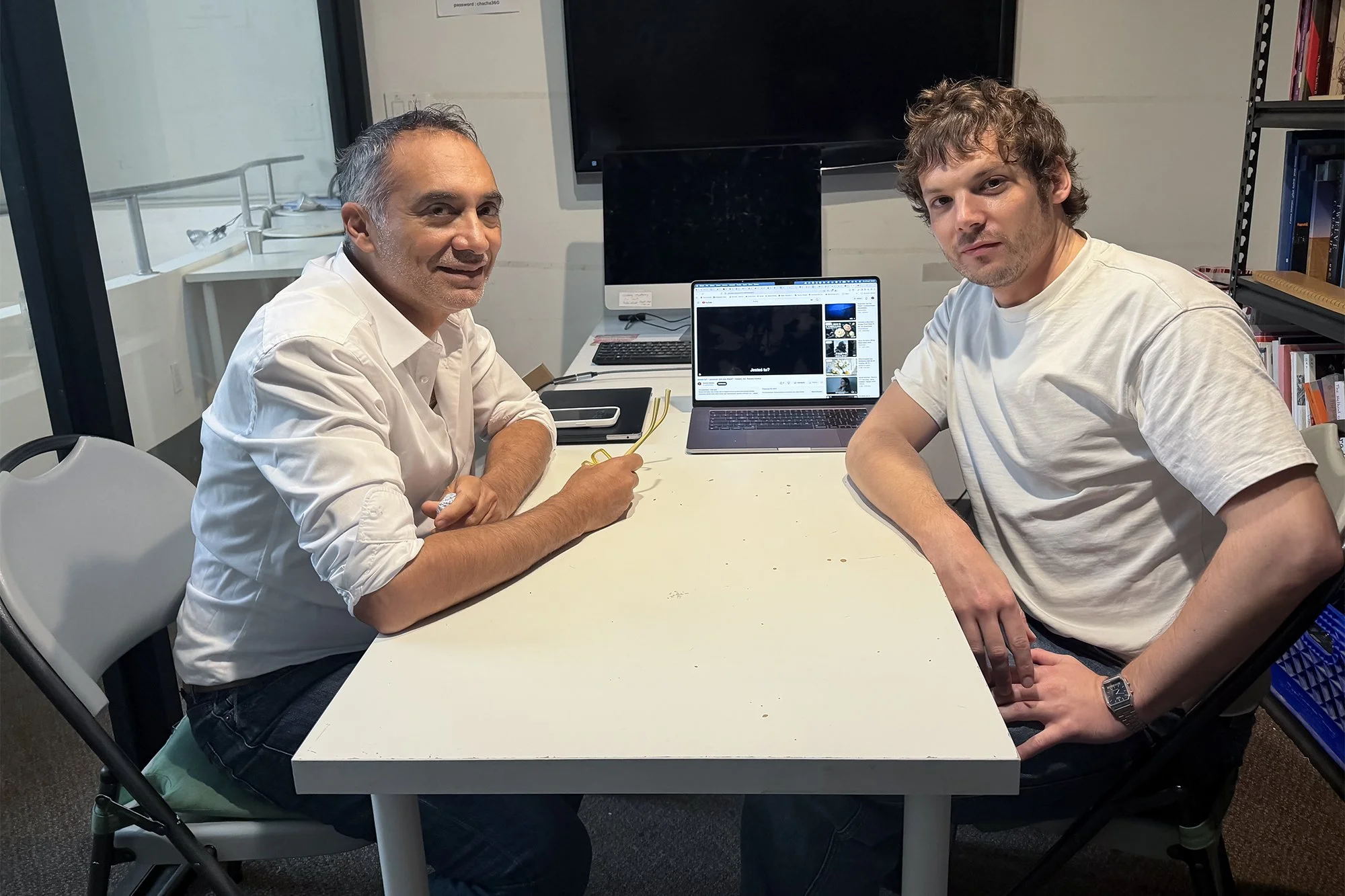
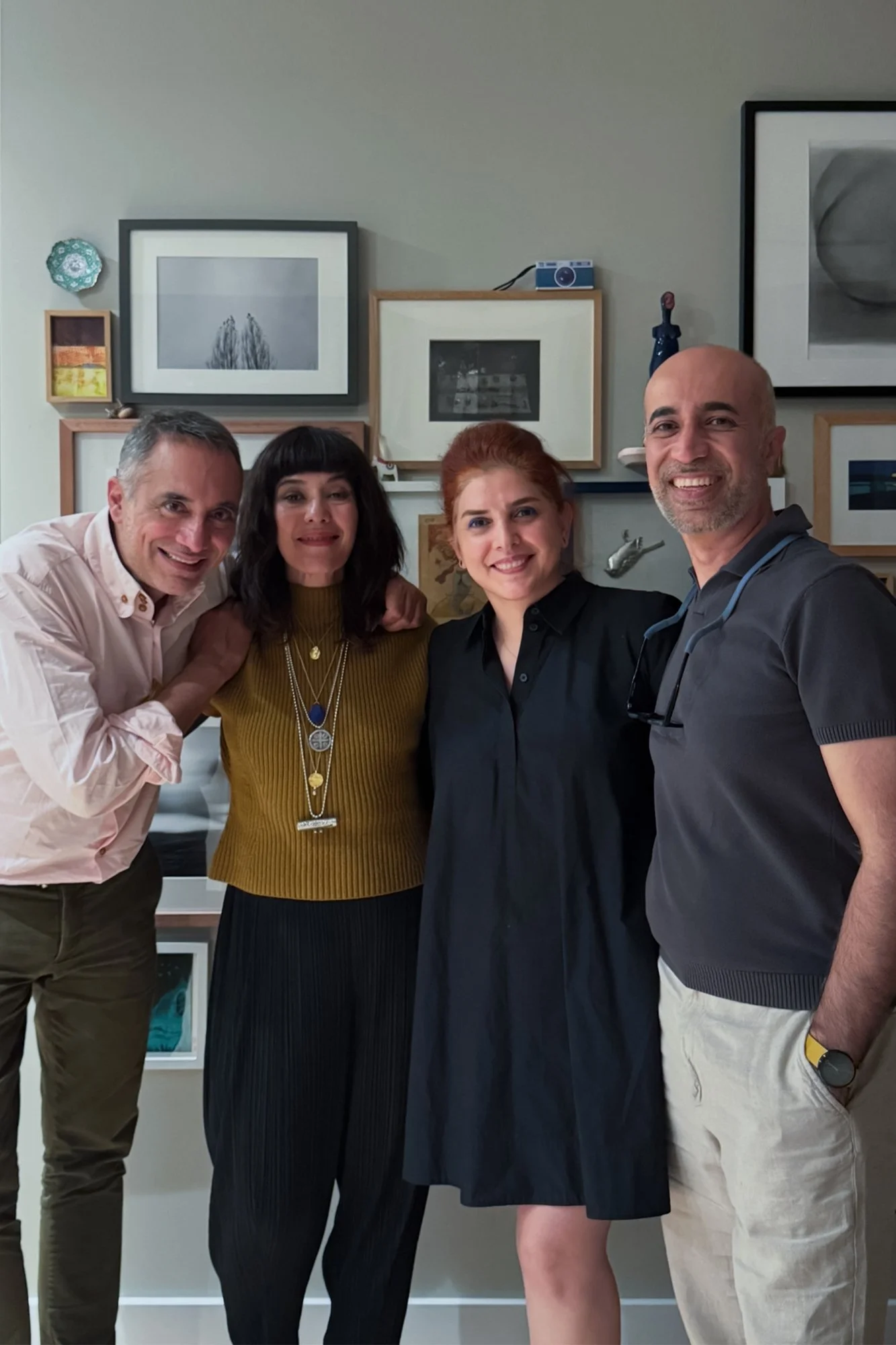
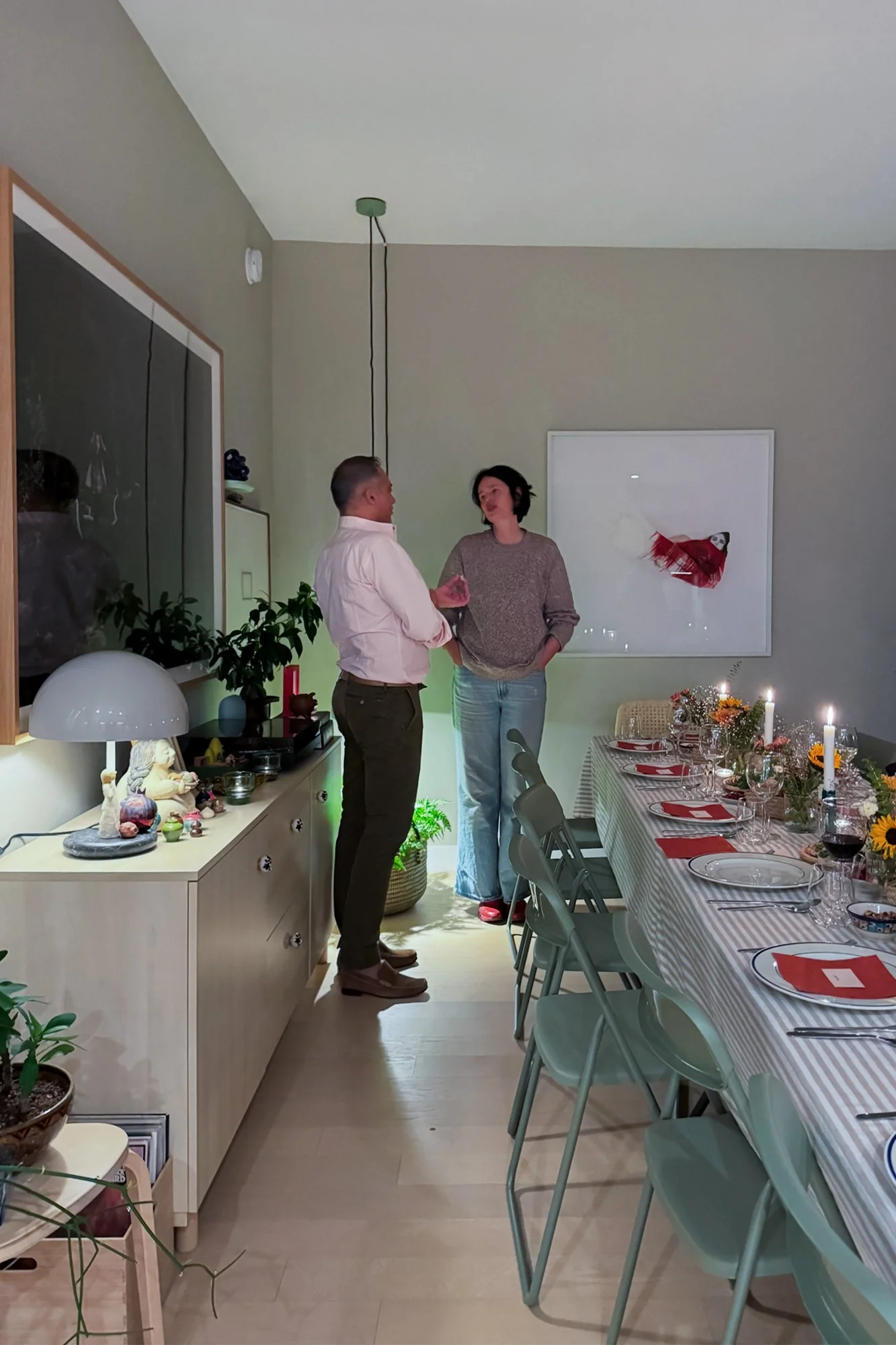
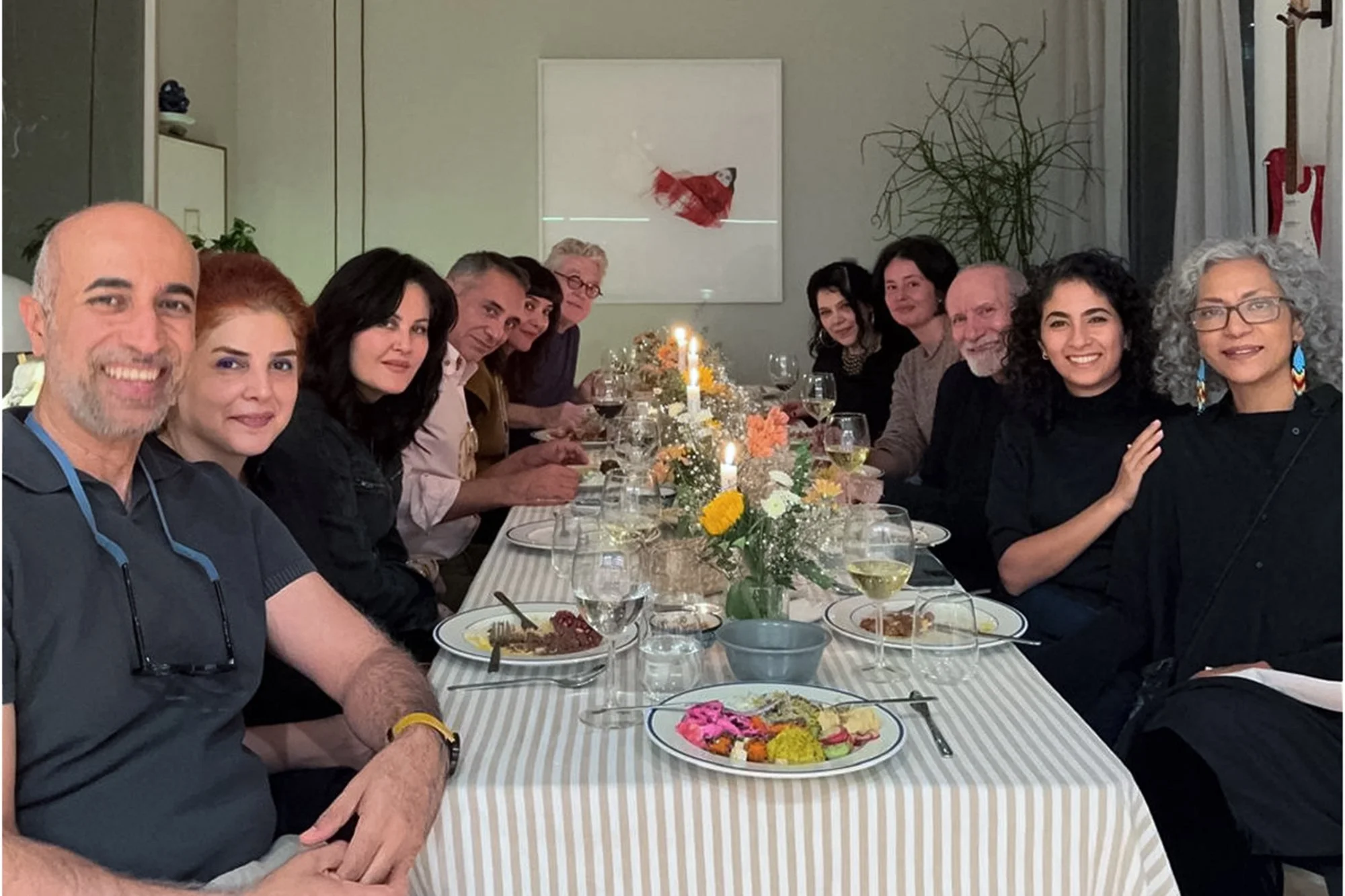
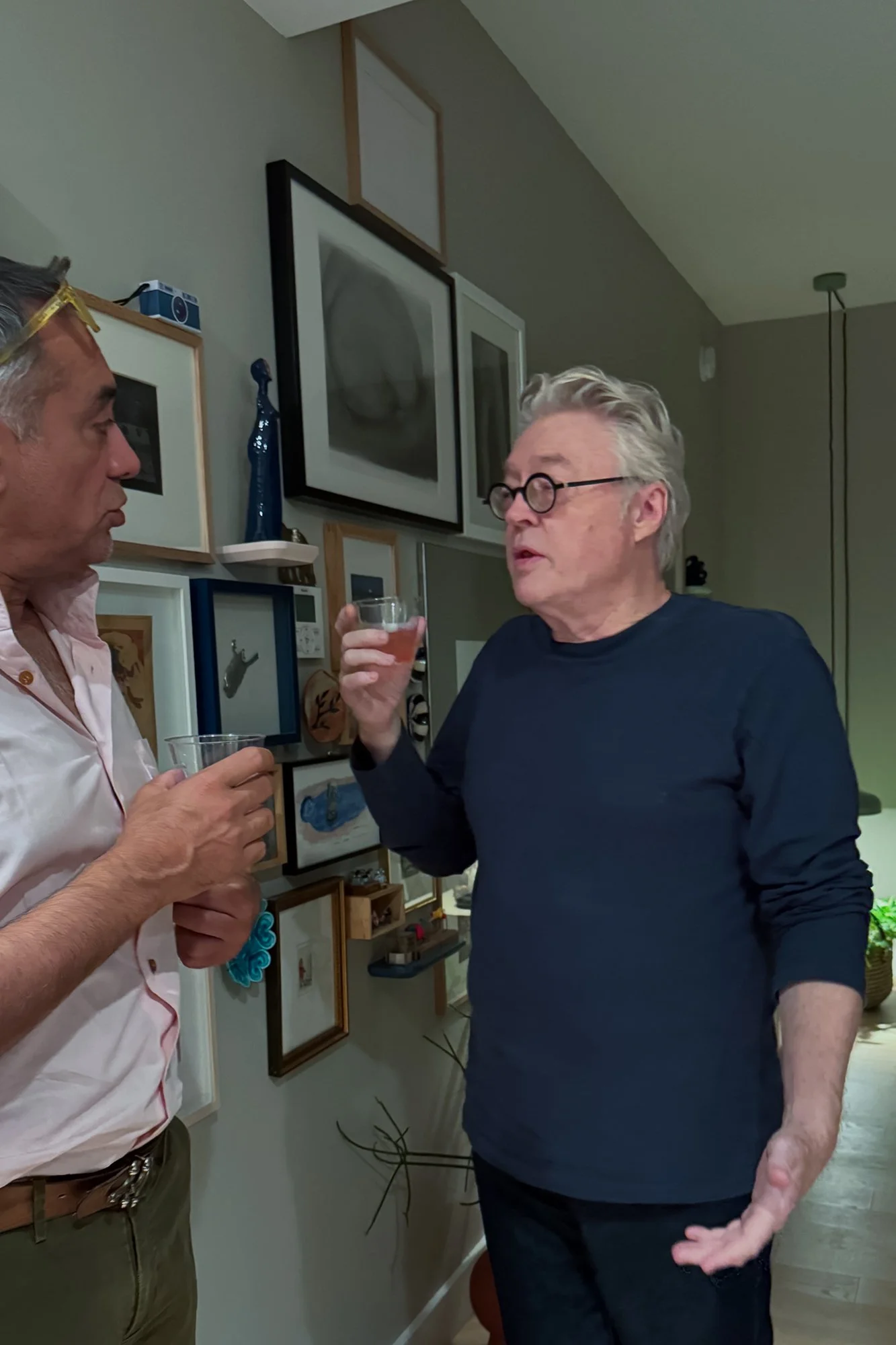
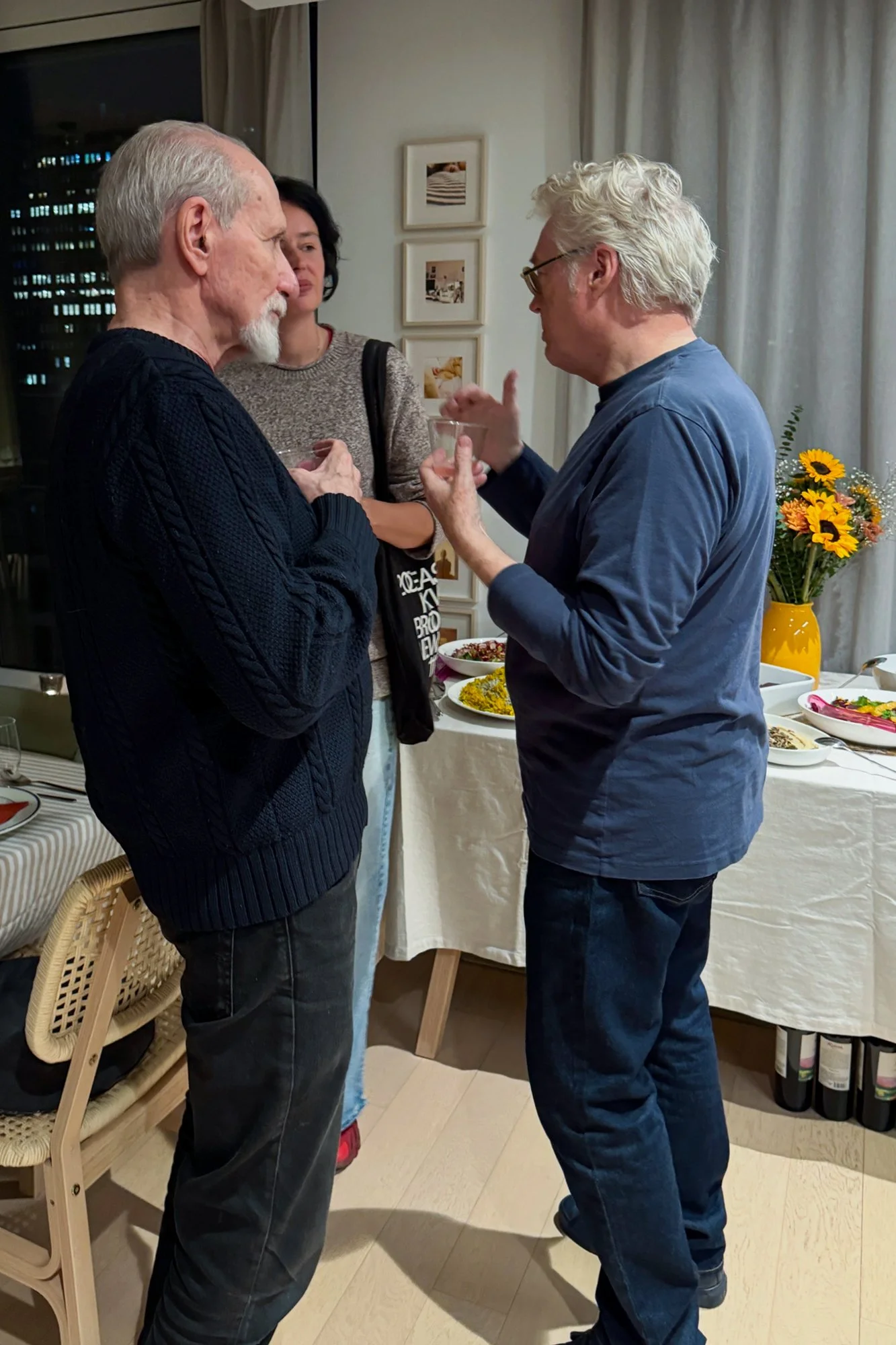
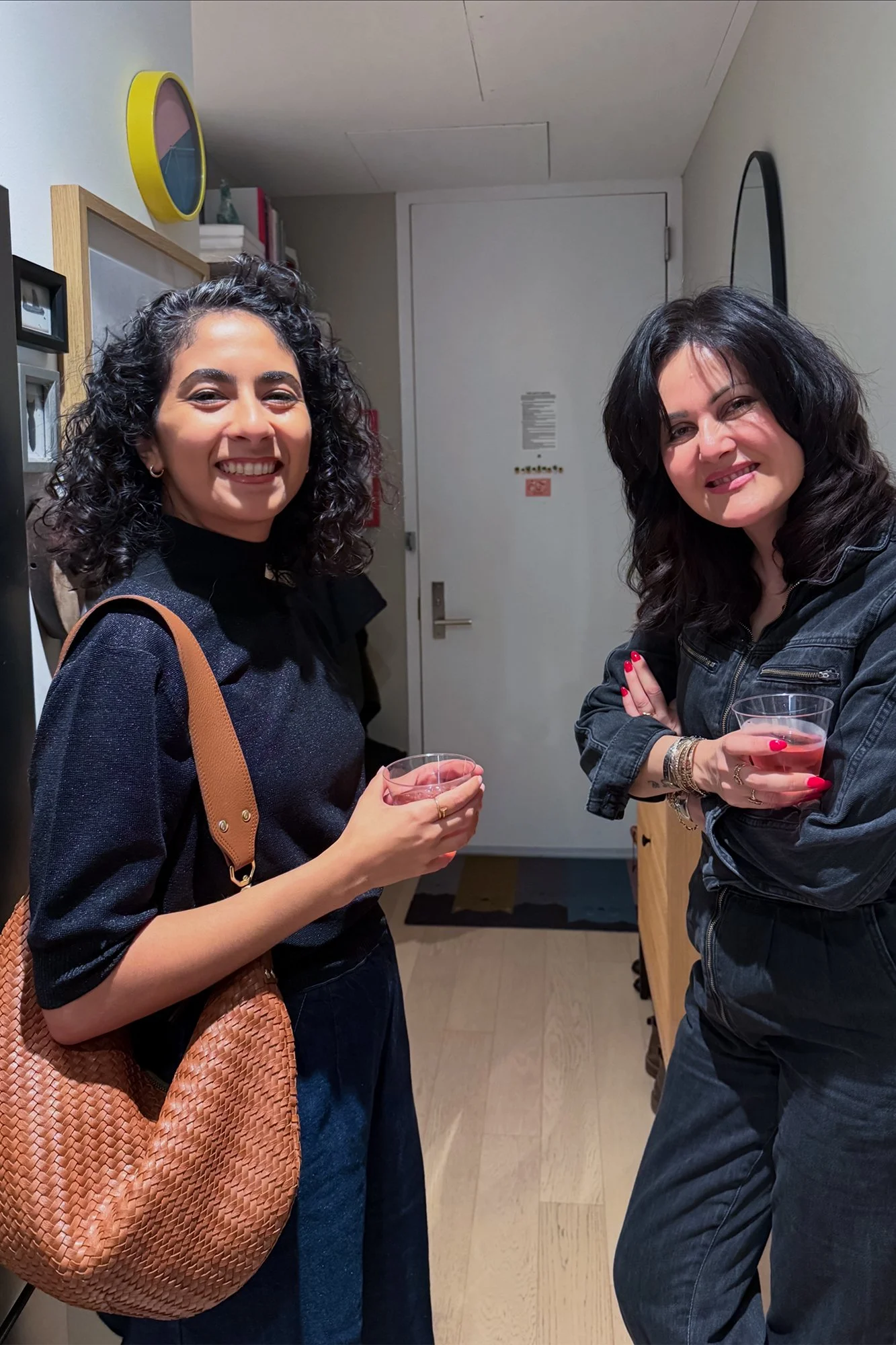
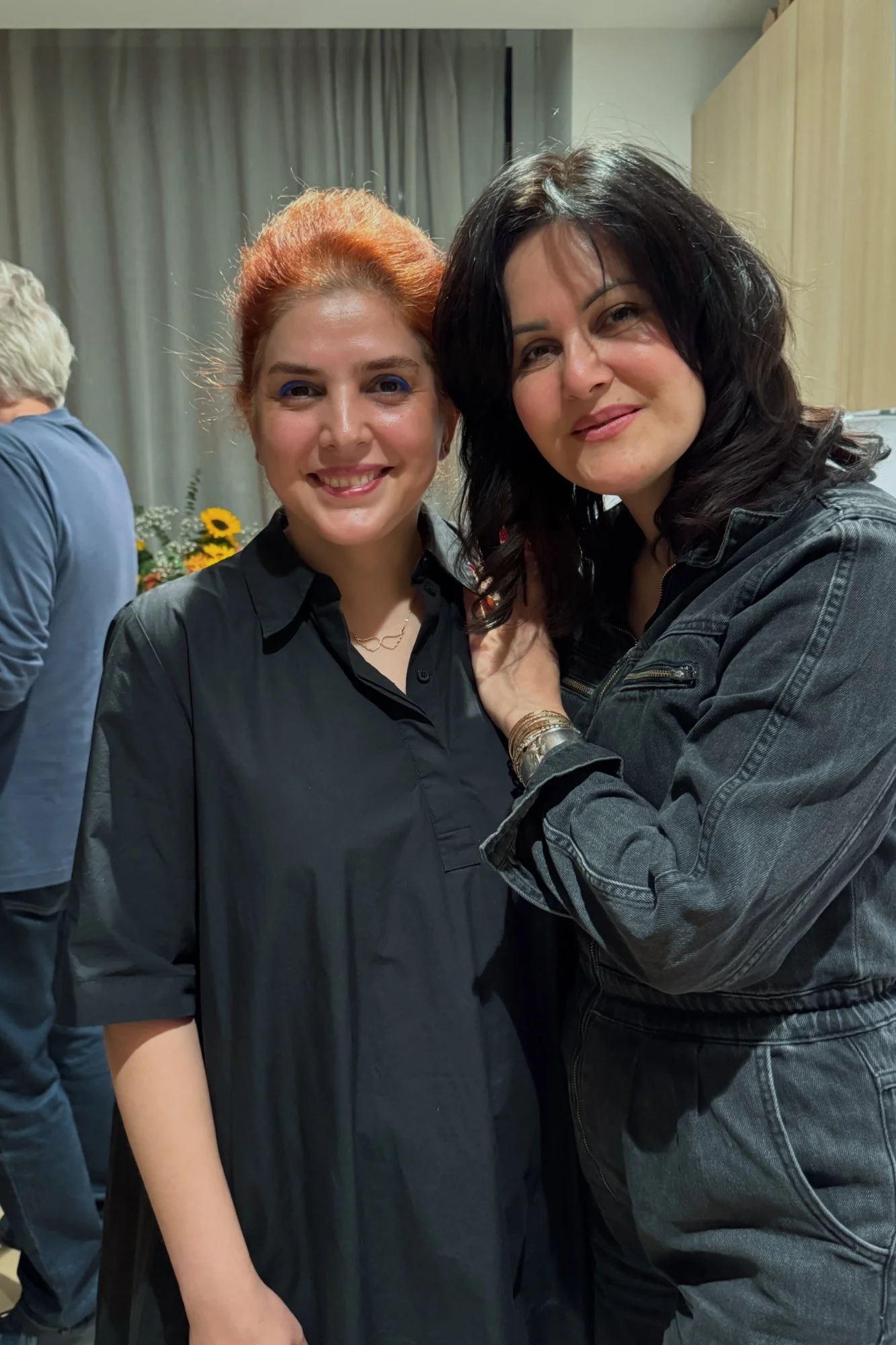
Over ten days, the program moved between studio conversations with artists through Residency Unlimited, ISCP, and Triangle NYC; a curator-led tour at Amant; museum and gallery visits and institutional meetings across the city; and an evening of Badiyeh Hamneshini, our gatherings of conversation and hospitality. Days of independent research and the ICI conference gave the visit room to follow its own lines of inquiry.
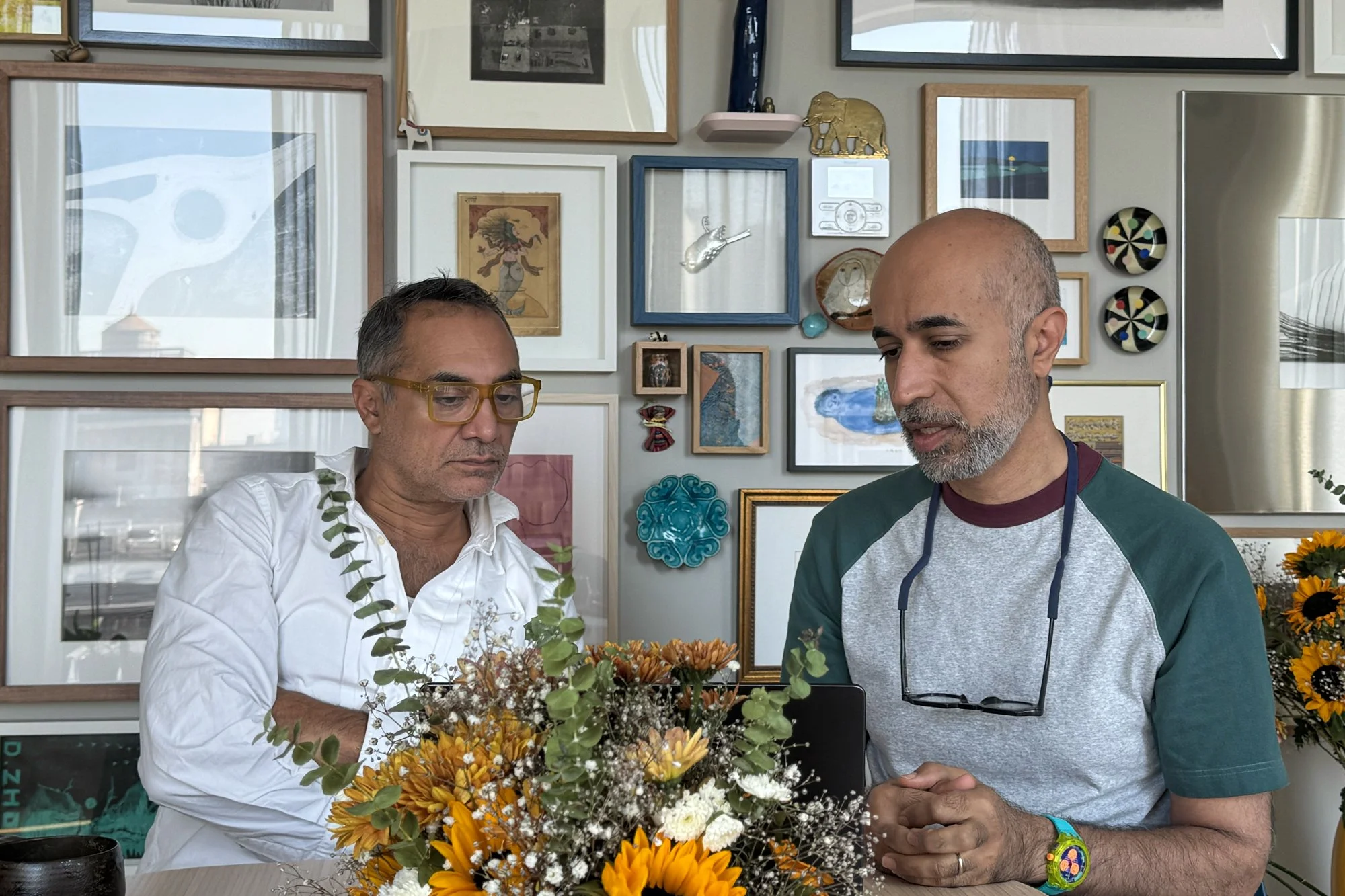
At the center of the program was the public panel What Remains: Memory, Suppression, and the Aftermath of State Terrorism, hosted by Fridman Gallery, in which Vali Mahlouji, Richard Vine, and Natasha Chuk, who also moderated, considered how violence persists through what is remembered as well as what is suppressed, and what art, archives, and curatorial practice can do when conventional forms of witnessing fall short. The visit also included a recorded conversation with Vali about his work and his experience of the exchange.
Where the first edition established the program’s model, the second showed how an exchange can follow a single line of research into the city, and how a question as difficult as memory and its suppression can open conversations between artists, institutions, and audiences across contexts.
This program was made possible through the generous collaboration of our Exchange Partner, Archaeology of the Final Decade (London), along with Fridman Gallery, Residency Unlimited, ISCP, and Triangle NYC. We thank Richard Vine and Natasha Chuk for joining the public conversation, and we extend our sincere thanks to Vali Mahlouji for his generosity, rigor, and openness.
Participants
Activities

Partners